

Specifications
Broker
Aircraft Details
- Maintenance:
- Maintained under FAR Part 91
- RVSM certification
- Annual Inspection due by January 1, 2026
- A, B, and C Inspections due by January 1, 2025
- Engine:
- Model: TFE731-3C-200G
- Not on a maintenance program
- Total Time Since New for each engine: 4,812 hours
- Time Between Overhaul: 4,200 hours
- Additional Equipment:
- Extended-range fuel tanks, single-point refueling, thrust reversers, anti-skid brakes
- Flight Environment cabin comfort system, cabin power inverter with dual outlets
- Glass windshield, aft baggage modification
- Avionics:
- Dual Collins ADF-60A, Collins APS-85 autopilot
- Dual Garmin GPSMAP 696, Dual Universal GPS
- Collins TCAS-4000 TCAS-II, Honeywell KGP-860 EPGWS
- Interior:
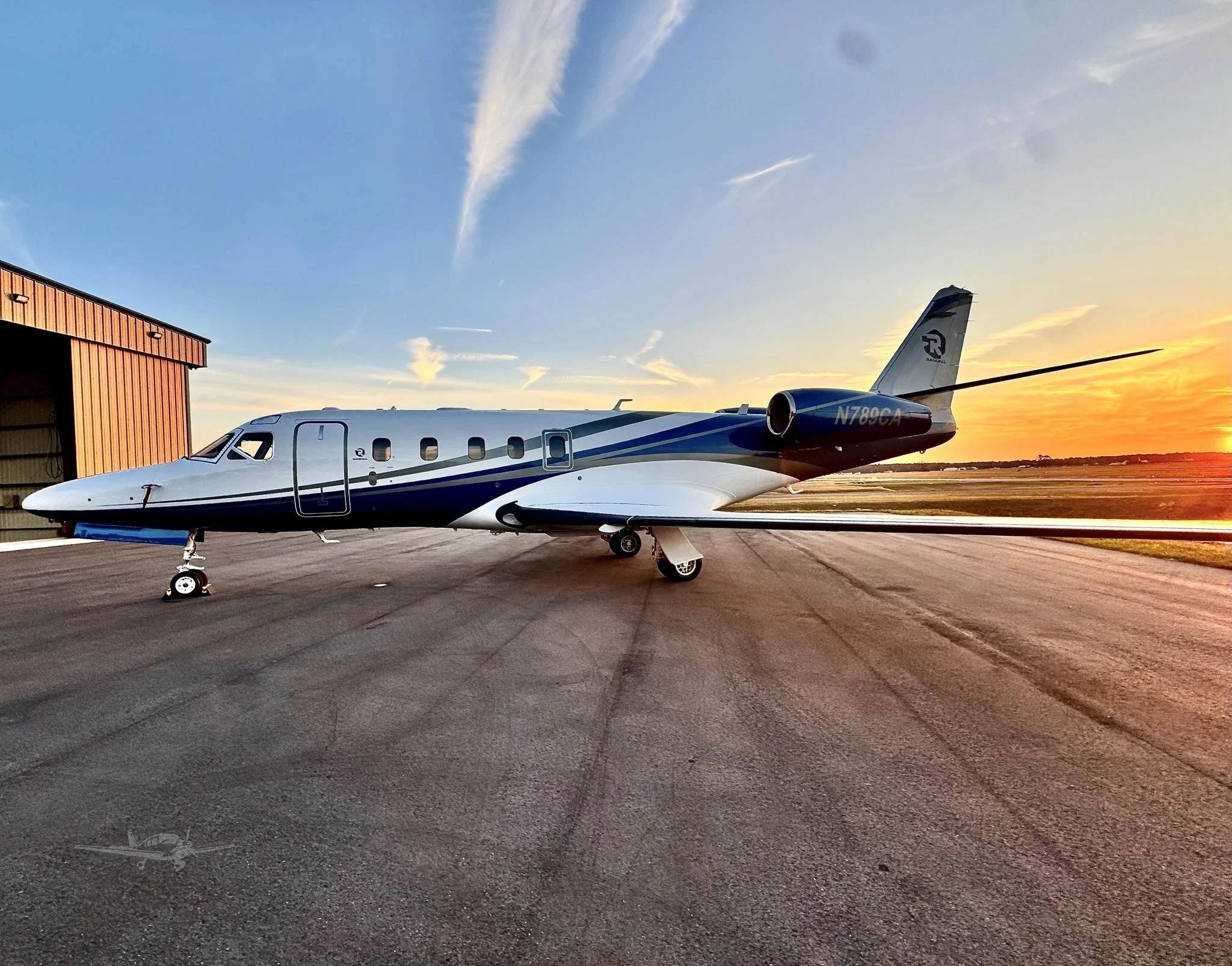
- Executive configuration for 9 passengers
- Light cream leather seating, new interior planned for April 2025
- Externally-serviceable aft lavatory
- Exterior:
- New paint scheduled for April 2025
- Colors: Matterhorn white with blue stripes and gray highlights
About this Model
Overview
The Astra 1125SP (commonly referred to as the Astra SP) is a midsize business jet developed by Israel Aircraft Industries and positioned for operators who want jet speeds with a straightforward, conventional airframe and systems architecture. In typical use it fits company shuttle flying, owner-operator travel, and charter-style missions where runway access and operating simplicity matter as much as maximum cabin volume.
Mission Fit
Most missions align with point-to-point travel within a midsize-jet radius, typically with a comfortable passenger count that preserves fuel reserves and performance margins. It is generally better matched to frequent, moderate stage lengths than to consistently pushing maximum range with a full load and winter alternates.
Cabin
Cabin experience is oriented around a traditional midsize layout, typically with a club seating group and additional forward or aft seats depending on configuration. Expect a functional aisle and seating environment suitable for work and short rest periods, with amenities varying widely by interior refurbishment status. Noise levels, upholstery, and in-cabin power/connectivity are largely dependent on avionics and cabin upgrades completed over the aircraft’s life.