

Specifications
Broker
Aircraft Details
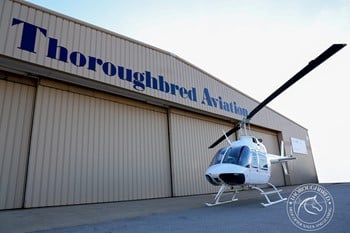
- Model: BELL 206B II
- Condition: Used
- Flight Rules: VFR
- Highlights:
- Wire Strike Kit
- Garmin 750
- Garmin GTN 750 GPS/SBAS Navigation
- Garmin G500H Flight Display
- Engine: Rolls Royce 250-C20B
- Engine Time: 4,985.9 SMOH
- Avionics:
- GARMIN GNC 255A/255B
- Attitude Indicator
- GARMIN GTX 345R Transponder
- PMA7000H Audio Panel
- Magellan Aerospace WSPS
- Additional Equipment:
- Alitmeter, Airspeed Indicator, Dual Tachometer
- Gas Producer Tach, Fuel Pressure, Fuel Quantity
- Torque Meter, Diamond J TOT Indicator
- Engine Oil Pressure/Temperature Gauge
- Magnetic Standby Compass, Clock
- Outside Air Temperature Gauge (OAT)
- Master Caution Panel, Starter Generator
- Main Aircraft Battery
- Pilot, Co-Pilot, and Rear Passenger Seats with Seat Belts
- Fire Extinguisher, Flight Manual, ELT and Mounting Tray
- Strobe Light, Strobe Power Supply, High Landing Gear with Step
- Aircomm Bleed Air Heater, Cockpit Spotlight, Inlet Barrier Filter
- Directional Gyro, NAV/COMM Receiver, Facet Oil Filter, Airframe Fuel Filter
About this Model
Overview
The Bell 206B II JetRanger is a light, single-turbine helicopter commonly used for training, utility work, aerial observation, and short-range passenger missions. Buyers typically look to the type for predictable handling, straightforward day-to-day operation, and supportability through a large installed base. Most aircraft are legacy airframes, so equipment standardization varies widely by serial number and prior mission.
Mission Fit
The 206B II fits missions that value simplicity, good visibility, and frequent cycles. It is often selected where ramp footprint and operating complexity need to stay low, and where a proven light turbine platform is acceptable for the mission profile.
Cabin
Typical seating is a two-place cockpit with a rear bench for passengers, with cabin access via doors on both sides. The cabin is functional rather than spacious, with noise and vibration levels that depend heavily on interior fit, rotor track/balance condition, and installed soundproofing. Visibility is generally strong for both pilot and passengers, which supports sightseeing and observation-type missions.