

Specifications
Aircraft Details
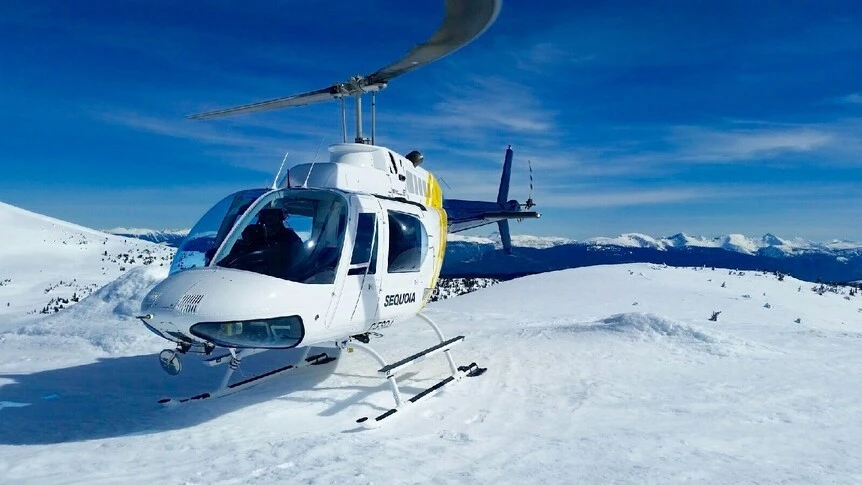
• Utility-configured Bell 206BIII JetRanger located in Victoria, British Columbia, Canada
• 16,869.1 total airframe hours
• Equipped with Kamatics KAflex input driveshaft, BLR tailboom strake kit, and litter kit provisions
• Over 4,000 flight hours remaining on main rotor blades
• Rolls Royce M250-C20B engine
• Recent 100/200/300-hour and 12/24-month airframe inspections completed
• Case half and turbine mid-life inspections performed less than 500 flight hours ago
• Avionics include Garmin GTR225 VHF radios, Garmin GTX-320A transponder, TDFM-136B and TFM-138B FM radios, AMS42 audio controller, ISAT-100 satellite tracker, cockpit panel display, dispatch voice interface, USB ports, SSDC voltage regulators, and Astro-Tech LC2 digital clock
• Additional equipment: Breeze Eastern cargo hook, particle separator, Van Horn tail rotor blades, Dart bearpaws, Dart cross tubes and skid tubes, engine auto-relight, Tanis pre-heat kit, Whelen LED position and anti-collision lights, Precise Flight pulse light, AAI range extender, spacemaker baggage extender, Dart cargo mirror, Casey shroud heater, windshield/skylight/rear bubble window, quick disconnect dual controls, maintenance steps, door struts, slope panel, tail rotor pedal lockout kit, generator off warning, Concord lead acid battery, composite battery door, utility trim, interior plastic trim, hat rack net, rear and crew shoulder harness kits, and hourmeter.
About this Model
Overview
The Bell 206B III JetRanger is a widely used light single-engine turbine helicopter known for straightforward systems, predictable handling, and broad mission versatility. It is commonly selected for local passenger moves, pilot training, patrol, and light utility roles where ramp footprint, ease of operation, and turbine reliability are prioritized over payload and all-weather capability.
Mission Fit
Best suited to missions that stay relatively close to base and emphasize dispatch simplicity. The aircraft’s utility is strong for local flying, but payload/range margins narrow quickly with multiple occupants, fuel, and high-density-altitude conditions.
Cabin
The JetRanger’s cabin is compact and functional, typically arranged for a pilot plus four passengers, with good outward visibility that supports sightseeing and observation tasks. Noise and vibration levels are typical for a legacy light turbine helicopter; passenger comfort is highly dependent on interior condition, seating, and headset/intercom quality.