

Specifications
Aircraft Details
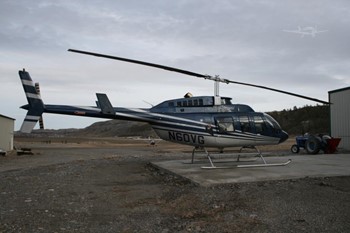
- Model: BELL 206L-3 LONGRANGER
- Engine: ALLISON 250C30P
- Engine Time: 11,367 hours since new
- Engine Cycles: 4,406 cycles since new
- Turbine Assembly: 1,513 hours since overhaul, 487 hours remaining to overhaul
- Compressor: 3,593 hours since overhaul, replace on condition
- Impeller: 2,345 hours since new, 12,654 hours remaining to retirement
- Gearbox: 19,271 hours since new, replace on condition
- Avionics:
- Garmin GNS-430 GPS/Comm/Nav
- Bendix/King KCS-55A HSI
- Bendix/King KY-196 Comm2
- Bendix/King KT-76A Transponder
- Additional Equipment:
- Dual controls
- Cargo hook
- High skids with steps
- New Concorde lead acid battery
- Pop-out chin bubble windows
- Exterior: Ming Blue upper and Titanium lower, repainted in August 2016
- Interior: Utility configuration with 7 seats (pilot plus 6 passengers), blue leather seats, new in 2018
- Inspection Status: Annual inspection completed, valid until February 2026
About this Model
Overview
The Bell 206L-3 LongRanger is the extended-cabin member of the 206 family, aimed at operators who want the simplicity of a single-engine helicopter with more cabin volume and useful load than a standard JetRanger. It is commonly configured for mixed utility work—passenger transport, aerial observation, and light external-load tasks—where predictable handling, straightforward systems, and broad support infrastructure are valued.
Mission Fit
The LongRanger is typically selected for missions that involve frequent starts/stops, low-altitude maneuvering, and point-to-point trips where rotorcraft access provides time savings. It fits operators needing a practical cabin with rear seating and adequate baggage capacity, while keeping single-engine operating complexity. Mission suitability is strongly influenced by local terrain, temperature, and payload goals, so real-world performance should be validated against planned routes and typical operating weights.
Cabin
Cabin space is the key differentiator versus shorter 206 variants: the stretched fuselage supports a more usable rear passenger area and improves flexibility for passenger seating or mission equipment. Entry is generally straightforward for a light utility helicopter, and typical fit-outs range from basic utility interiors to corporate-style seating. Noise and vibration levels depend heavily on interior kit, rotor/track-and-balance condition, and installed soundproofing.