

Specifications
Broker
Aircraft Details
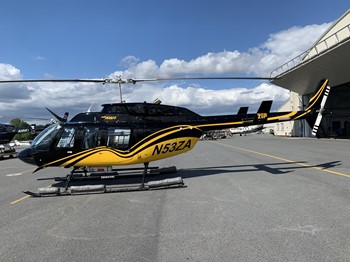
Well equipped and maintained Bell 206L-4. Features include high skids, low time Bell main rotor blades, Van Horn tail rotor blades, emergency floats, 7 place Lemo jacks, GTN 650 and GTN 430 avionics, Lynx 9000 transponder with traffic screen, ADS-B IN/OUT, Bluetooth audio panel, Garmin radar altimeter, sliding right-hand door, air conditioning, cabin heat, wire strike protection, cargo hook provisions (hook available separately), Airfilm mount, hard point FLIR mount, lead acid battery, rubber mounted removable chin bubbles, rotor brake, baggage extender, snow deflectors, and maintenance steps. Total airframe and engine time is 7,172 hours with 22,802 landings. Great component times remaining.
About this Model
Overview
The Bell 206L-4 LongRanger is a stretched, single-engine turbine helicopter in the 206 family, commonly selected for utility, passenger transport, patrol, and aerial work where simplicity and established support infrastructure matter. Compared with earlier LongRanger variants, the L-4 is typically associated with higher allowable gross weight, which can translate into more payload or fuel flexibility for the same mission profile. It is a conventional, two-blade rotor design that prioritizes predictable handling and straightforward day-to-day operation over high-speed performance.
Mission Fit
The LongRanger is most at home on missions that value versatility: moving small teams and equipment, running frequent shuttles, or supporting aerial work with the right optional equipment. It is less aligned with use cases that depend on twin-engine dispatch expectations or unusually demanding hot/high performance, where payload restrictions can become limiting.
Cabin
The elongated cabin provides more passenger and baggage flexibility than short-cabin 206 variants, supporting practical seating for multiple occupants and gear with good all-around visibility—useful for both passenger transport and observation-oriented work. Comfort and noise/vibration characteristics depend heavily on interior completion, soundproofing, and mission equipment; many aircraft are configured to match specific roles rather than a uniform executive standard.