

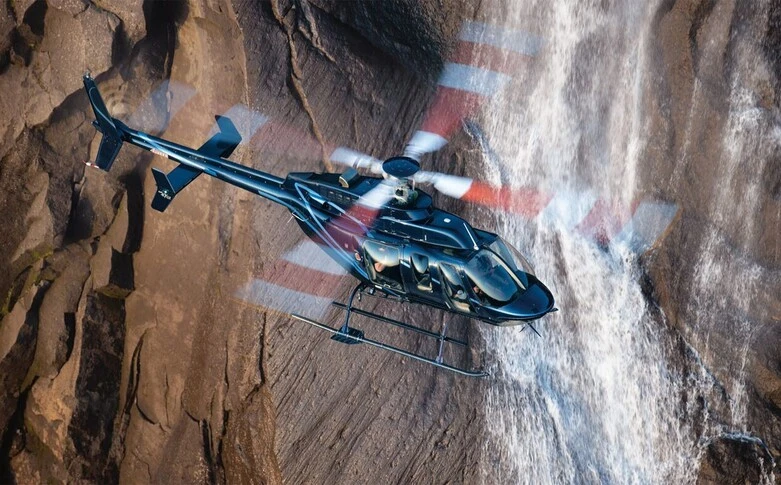
Specifications
Broker
Jet Aviation Brokers
Aircraft Details
- Model: BELL 407 1998
- Engine: Turbine
- Seating Capacity: 6 passengers
- Maximum Speed: 130 knots
- Range: 350 nautical miles
- Avionics: Advanced digital cockpit with multi-function displays
- Features: Spacious cabin, excellent visibility, and low vibration levels
- Maintenance: Well-maintained with comprehensive service records available
- Additional Equipment: Equipped with cargo hook and external fuel tanks
- Ideal for: Corporate transport, air ambulance, and utility missions
About this Model
Overview
The Bell 407 is a five-place (plus pilot) single-engine light helicopter commonly selected for mixed utility work where speed, hover performance, and straightforward line maintenance matter. It pairs a 4-blade main rotor with a proven turbine powerplant, aiming for predictable handling and good ride quality across a broad range of weights and loading. Typical buyers consider it for business and public-use roles that need quick point-to-point travel, external-load flexibility (as equipped), and access to confined or unimproved landing areas.
Mission Fit
In day-to-day use, the 407 tends to fit operators who want a single-engine platform that can cover passenger movement, light utility, and special-mission profiles with one airframe. It is often used for corporate shuttle, EMS support roles in regions where single-engine is acceptable, public safety, and utility work. If your operating policy, insurance, or customer requirements demand twin-engine capability for overwater, IFR, or critical passenger missions, a twin may align better.
Cabin
The 407’s cabin is designed around easy access and mission flexibility rather than a luxury layout. Large doors and a flat floor support quick loading for passengers or equipment, and typical seating can be configured to balance comfort with payload. Noise and vibration levels are generally acceptable for the class, but the experience will depend heavily on interior specification, soundproofing options, and installed mission equipment.