

Specifications
Broker
Jet Aviation Brokers
John Carter
+1 (305) 555-0142
broker@example.com
Aircraft Details
- Maintained under FAR Part 91 with maintenance tracked via CAMP; on MSP engine program (HTF7000 engines, both with 2,857 hours)
- RVSM certified; Certificate of Airworthiness issued 05/2006; entered service 10/2006
- Recent maintenance: Gear overhaul (11/2014), 48/96-month inspections (11/2014), 36-month (10/2015), 12/24-month (10/2016)
- Weights: Ramp 39,000 lbs, MTOW 38,850 lbs, Landing 33,750 lbs, ZFW 27,000 lbs, Fuel 14,150 lbs, BOW 23,850 lbs
- Avionics: Collins Pro Line 21 suite, triple VHF, dual FMS, dual GPS, dual ADF, dual DME, dual HF, dual transponder, SATCOM, TCAS-II, EGPWS, weather radar, stormscope, CVR, FDR
- Additional equipment: Thrust reversers, 45,000-ft altitude kit, Securaplane security, triple Winslow life rafts, AC inverter, portable ladder, smoke detector in baggage, external locks
- Executive interior for 9: champagne leather, new carpet (11/2014), full galley, dual 18" LCDs, DVD/VCR, CD, fax/data ports, aft lavatory
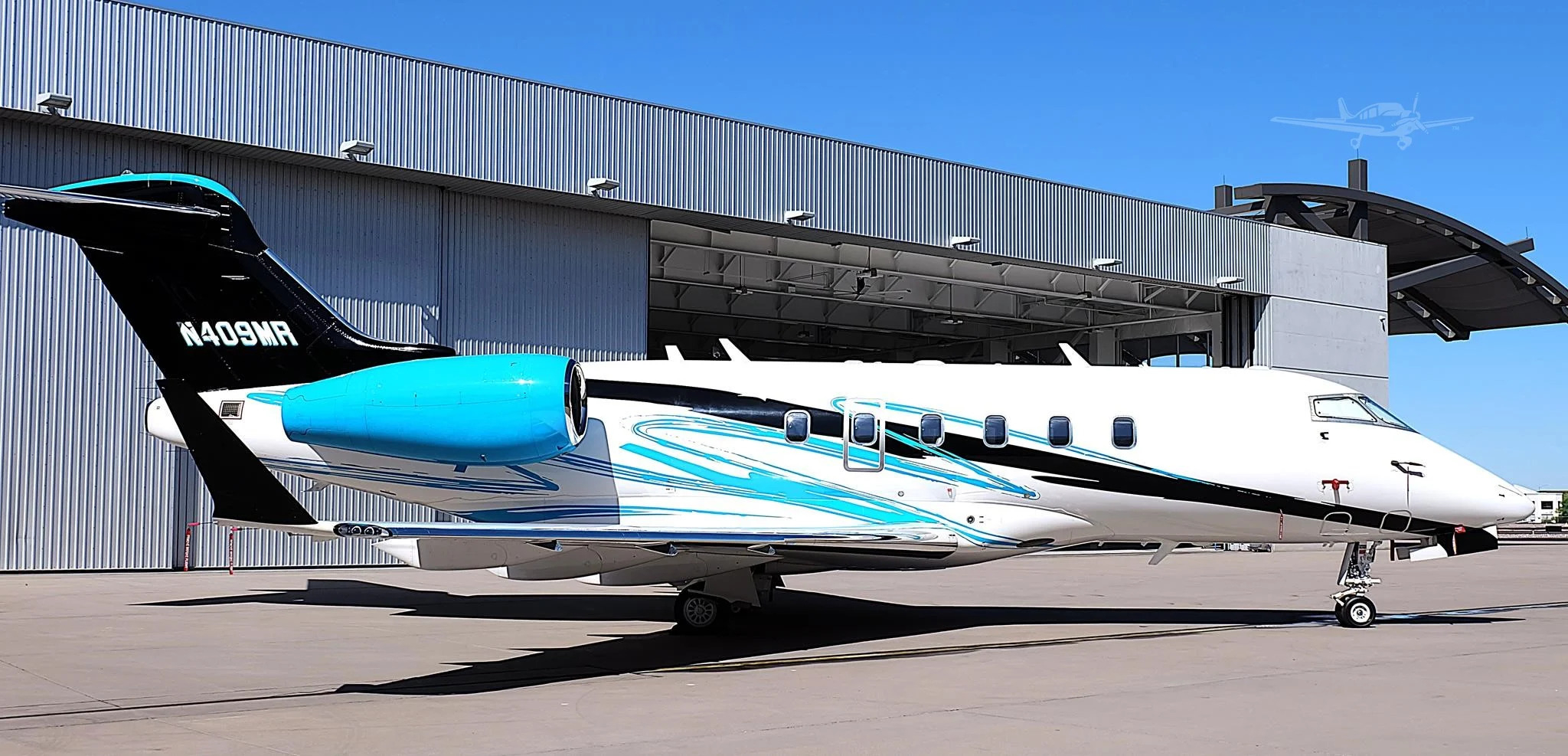
- Exterior: Snow white with black and brown metallic stripes, refinished 11/2014 by BAS, Wichita, KS
- Two U.S. owners since new
About this Model
Overview
The Bombardier Challenger 300 is a super-midsize business jet designed to deliver transcontinental-capable missions with a cabin that prioritizes passenger comfort and baggage accessibility. It is commonly selected by flight departments that want large-cabin usability in a super-midsize footprint, balancing cruise efficiency, airport performance, and day-to-day dispatch reliability.
Mission Fit
In typical use the Challenger 300 fits nonstop missions that span a continent with reserves, while still being practical for shorter hops where turnaround time and airport access matter. The aircraft’s combination of speed, runway performance, and cabin volume tends to suit scheduled corporate shuttles, owner travel with guests, and multi-stop itineraries.
Cabin
The cabin is arranged to feel closer to a large-cabin environment than many midsize jets, with a flat floor, a wide aisle, and a baggage compartment that is often accessible in flight. Seating is typically organized to support both conversation and laptop work, and the environment is aimed at keeping fatigue down on longer legs through stable cabin comfort and predictable noise levels for the class.