

Specifications
Broker
Aircraft Details
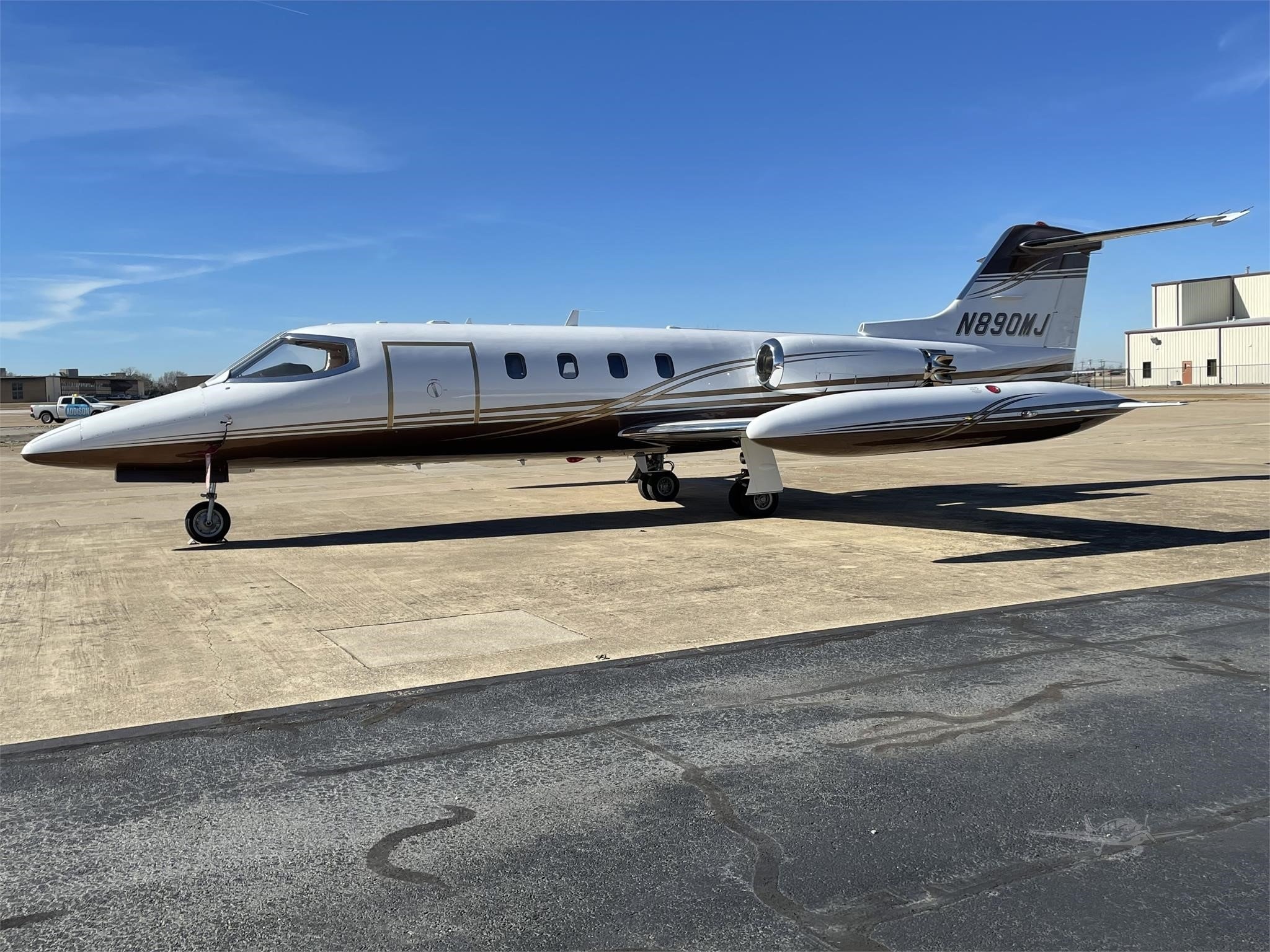
- Model: Learjet 25D
- Condition: Used
- Flight Rules: IFR
- Location: Addison, Texas
- Cockpit: EFIS 890R Synthetic Vision Universal glass cockpit (installed 2021)
- Engines: 2 x General Electric CJ610, single spool, 60 hours since overhaul
- Engine Features: Stage 3 hush kits, modified for better performance
- Range: 1,400 NM
- Basic Operating Weight: 8,253 lb
- Interior: Flawless, designed by Kate Woolstenhulme, seats 7 passengers + 2 crew, forward lavatory
- Exterior: New paint (2019), impeccable condition, all new windscreens and side windows
- Avionics: ADS-B equipped, WAAS, LPV, RNP, SVT
- Maintenance: 12-year inspection completed in 2018, A1-A6 inspections in 2022
- Additional Features: Synthetic Vision System, RVSM compliant, equipped with weather radar and traffic collision avoidance system
- Inspection Status: 2024 A1 through A6, 300-hour inspections due
About this Model
Overview
The Learjet 25D is a legacy light jet known for comparatively high cruise speeds for its era and straightforward systems. It is typically selected for time-sensitive regional missions, owner-flown/managed operations that value simplicity, or operators comfortable with older-generation cabin and avionics standards. Compared with newer light jets, the 25D trades cabin comfort, noise levels, and modern automation for performance and acquisition availability in the legacy fleet.
Mission Fit
In practical use, the 25D fits missions that reward rapid cruise and efficient block times over a smaller cabin footprint. Typical use cases include short-notice executive transport and multi-leg days where runway performance and climb/cruise capability matter. Payload and fuel trade-offs become more relevant on longer stages, so mission planning often centers on realistic passenger counts, baggage, and alternates rather than maximum published range.
Cabin
Cabin volume is compact, with a traditional Learjet layout that prioritizes performance and seating density over spaciousness. Expect a relatively narrow aisle, limited in-flight movement, and baggage space that can be restrictive depending on interior configuration and equipment. Cabin noise and ride feel generally reflect the aircraft’s generation, with meaningful variation by interior refurbishment and insulation upgrades.