

Specifications
Broker
Aircraft Details
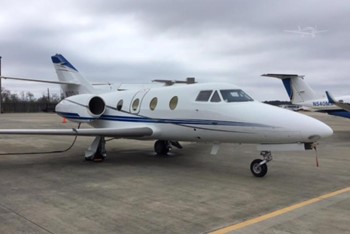
- Model: DASSAULT FALCON 100
- Condition: Used
- Airframe Maintenance Program: Factory
- Airframe Maintenance Tracking Program: CAMP
- Certifications: B-RNAV, RVSM
- Engine Type: Honeywell Garrett TFE731-2C-1C with Thrust Reversers
- Engine 1 Time: 8,764 SNEW, Cycles: 6,893
- Engine 2 Time: 8,764 SNEW, Cycles: 6,893
- Avionics:
- Collins ADF-80
- Collins ALI-80A Altimeter
- Collins APS-80 Autopilot
- Collins EFIS-85
- Dual Collins VHF-21C Coms
- Universal TAWS
- Honeywell TCAS II
- Dual Garmin GTX3000 ADS-B
- Exterior: New paint in 2020, White with Blue & Gray
- Interior: New gray leather and woodwork in 2020, 8-passenger configuration, belted lavatory, forward refreshment center
- Additional Equipment: Air conditioning, USB at each seat, dual electronic iPad flight bags
- Inspection Status: New A, 2A, 2A+, 4A, 4A+, and C Checks completed in June 2019
About this Model
Overview
The DAHER Kodiak 100 is a high-wing, fixed-gear single-engine turboprop designed to connect remote or infrastructure-limited locations with a straightforward operating concept. It prioritizes short takeoff and landing capability, robust landing gear, and a large, configurable cabin that can shift between passenger, cargo, and mixed missions. Buyers typically evaluate it as an alternative to legacy utility turboprops when they want modern systems, strong climb performance, and reliable support while accepting lower cruise speed than pressurized turboprops.
Mission Fit
The Kodiak 100 is at its best when the destination is the constraint: short strips, unimproved surfaces, and frequent loading/unloading cycles. It fits missions that value low-speed handling, strong climb at lower altitudes, and the ability to carry people and gear in a single trip. It is less aligned with missions that routinely require high cruise altitudes, smoother ride above weather, or the fastest point-to-point travel time.
Cabin
The cabin is designed as a working space first: wide access through a large cargo door, flat and durable interior surfaces, and seating that can be arranged for passengers, cargo, or a mix. Noise levels and ride feel reflect a single-engine turboprop with a utility airframe; comfort depends heavily on interior options, seat type, and soundproofing packages. Visibility is a strong point due to the high-wing layout and large windows, which many operators value for sightseeing, surveillance support, or remote landing operations.