

Specifications
Broker
Aircraft Details
• Approximately 1,005 hours total time as of December 2025
• Operated under FAR Part 91, previously under Part 135 charter
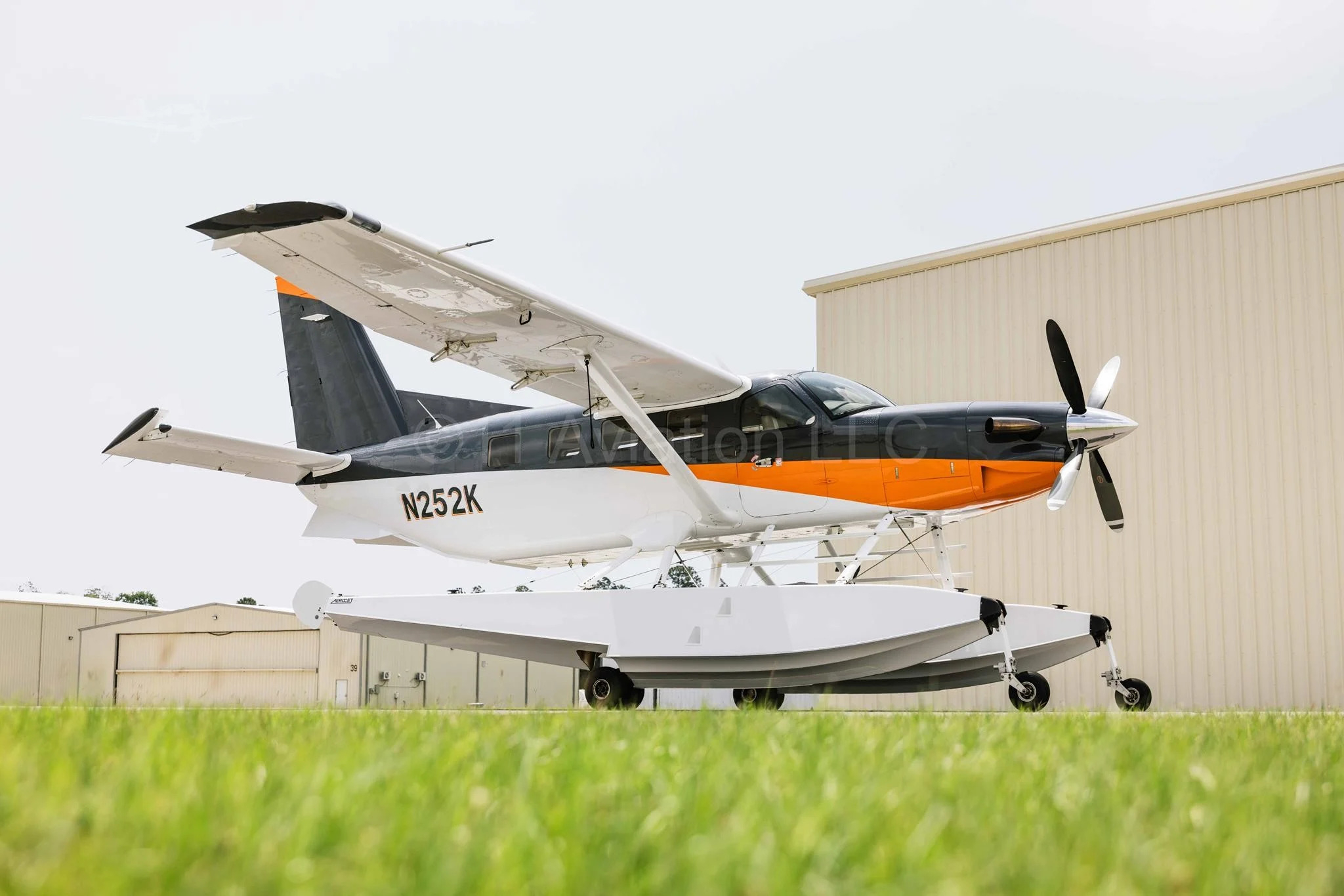
• Aerocet 6650 carbon-fiber amphibious floats installed, original landplane gear retained and stored
• Garmin G1000 avionics suite (3-screen), Garmin GFC700 AFCS autopilot with enhanced features, Synthetic Vision, Garmin color weather radar, ADS-B Out, WAAS/LPV
• Executive Timberline interior: 6 forward-facing brown leather seats, composite sidewalls/headliner, noise-dampening, removable carpet runners, coin-dot flooring
• Factory air conditioning with new compressor (09/2024), front/rear evaporators, full cabin AC
• Hartzell 4-blade propeller, overhauled 08/2022, disassembled/resealed 10/2025
• Pratt & Whitney PT6A-34 engine (1,005 SNEW, TBO 4,000), 1,000-hour and hot section inspections completed 12/2025
• Multiple recent upgrades: USB-C high-power port, new batteries, fire extinguishers, pitch trim actuators, bleed air heat modification, vortex generators, Type B nose fork
• Exterior: non-white surfaces repainted 02/2026 (Foster’s Aviation), Matterhorn white base
• Most recent annual inspection 05/2025, next due 05/2026; float annual and pitot/static/transponder checks up to date
• 115 cu ft 10-place oxygen system; Bose A20 Lemo headset jacks; LED interior/exterior lighting
• All logbooks, engine trend data, and full photo set available from seller
About this Model
Overview
The DAHER Kodiak 100 is a high-wing, fixed-gear single-engine turboprop designed to connect remote or infrastructure-limited locations with a straightforward operating concept. It prioritizes short takeoff and landing capability, robust landing gear, and a large, configurable cabin that can shift between passenger, cargo, and mixed missions. Buyers typically evaluate it as an alternative to legacy utility turboprops when they want modern systems, strong climb performance, and reliable support while accepting lower cruise speed than pressurized turboprops.
Mission Fit
The Kodiak 100 is at its best when the destination is the constraint: short strips, unimproved surfaces, and frequent loading/unloading cycles. It fits missions that value low-speed handling, strong climb at lower altitudes, and the ability to carry people and gear in a single trip. It is less aligned with missions that routinely require high cruise altitudes, smoother ride above weather, or the fastest point-to-point travel time.
Cabin
The cabin is designed as a working space first: wide access through a large cargo door, flat and durable interior surfaces, and seating that can be arranged for passengers, cargo, or a mix. Noise levels and ride feel reflect a single-engine turboprop with a utility airframe; comfort depends heavily on interior options, seat type, and soundproofing packages. Visibility is a strong point due to the high-wing layout and large windows, which many operators value for sightseeing, surveillance support, or remote landing operations.