

Specifications
Broker
Aircraft Details
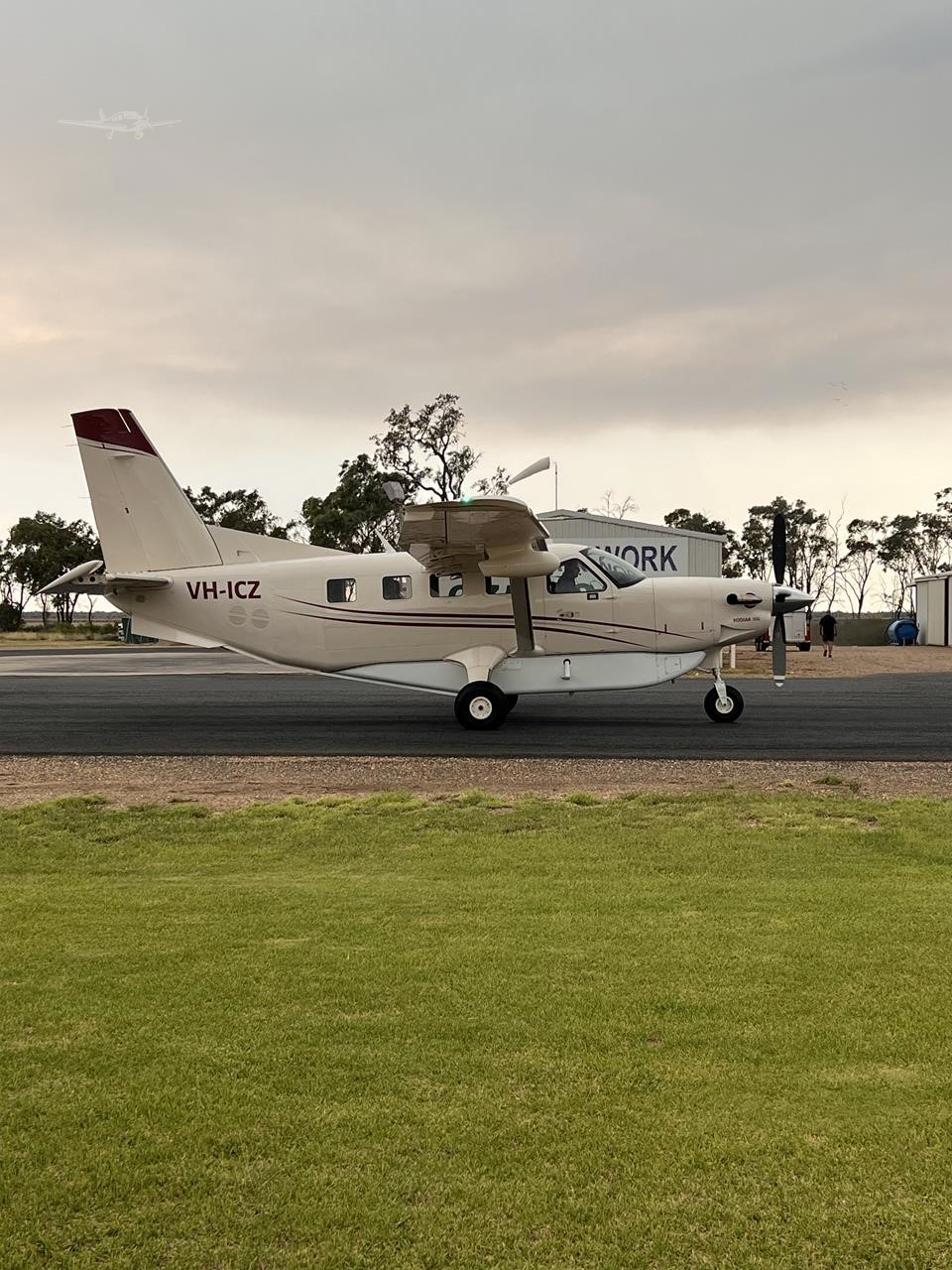
- Model: KODIAK 100
- Condition: Used
- Flight Rules: IFR
- Location: Moree, New South Wales, Australia
- Engine: Pratt & Whitney PT6A-34, 695.8 hours since new, TBO 4000 hours
- Propeller: Hartzell HC-E4N-3P, 4 blades, 695.8 hours since new
- Avionics: Garmin G1000, ADS-B equipped, WAAS, LPV, Synthetic Vision Technology, dual GPS, Garmin GFC-700 autopilot
- Additional Equipment: TKS De-Icing, 29" tire combo upgrade, external baggage compartment, 10-place oxygen system, air conditioning, GWX-68 weather radar
- Exterior: Unique paint scheme, 4-step corrosion proofing, external cargo pod with 750 lb capacity
- Interior: Executive Summit Interior with 8 place seating, crew seating with armrests, USB outlets, ambient LED lighting, privacy curtain, and cargo tie-down points
- Features: Flight into Known Icing (FIKI), dual lead acid 24V batteries, heated stall warning system, custom cover and bung set included.
About this Model
Overview
The Kodiak 100 Series I is a fixed-gear, single-engine turboprop designed around practical utility: short and unimproved runway capability, straightforward loading, and predictable handling at low speeds. It is commonly configured for commuter-style seating, mixed passenger/cargo layouts, or high-cycle special-mission work where dispatch reliability and field performance matter more than cruise speed or a pressurized cabin.
Mission Fit
This model fits operators who need consistent access to constrained airports and backcountry strips while carrying meaningful payload. It is most effective on regional stage lengths where takeoff/landing performance and turn-time drive schedule. If typical routes routinely demand higher cruise speeds, higher-altitude comfort, or long legs with larger reserves, a faster pressurized turboprop or light jet may align better.
Cabin
Cabin experience is utilitarian and mission-driven. Interiors vary widely, from higher-density seating to executive-style layouts, and many aircraft are equipped with durable materials to tolerate frequent loading and field conditions. Large doors and a practical cabin volume support quick passenger flow and cargo handling, but noise levels and ride comfort are closer to working turboprop norms than to pressurized business aircraft.