

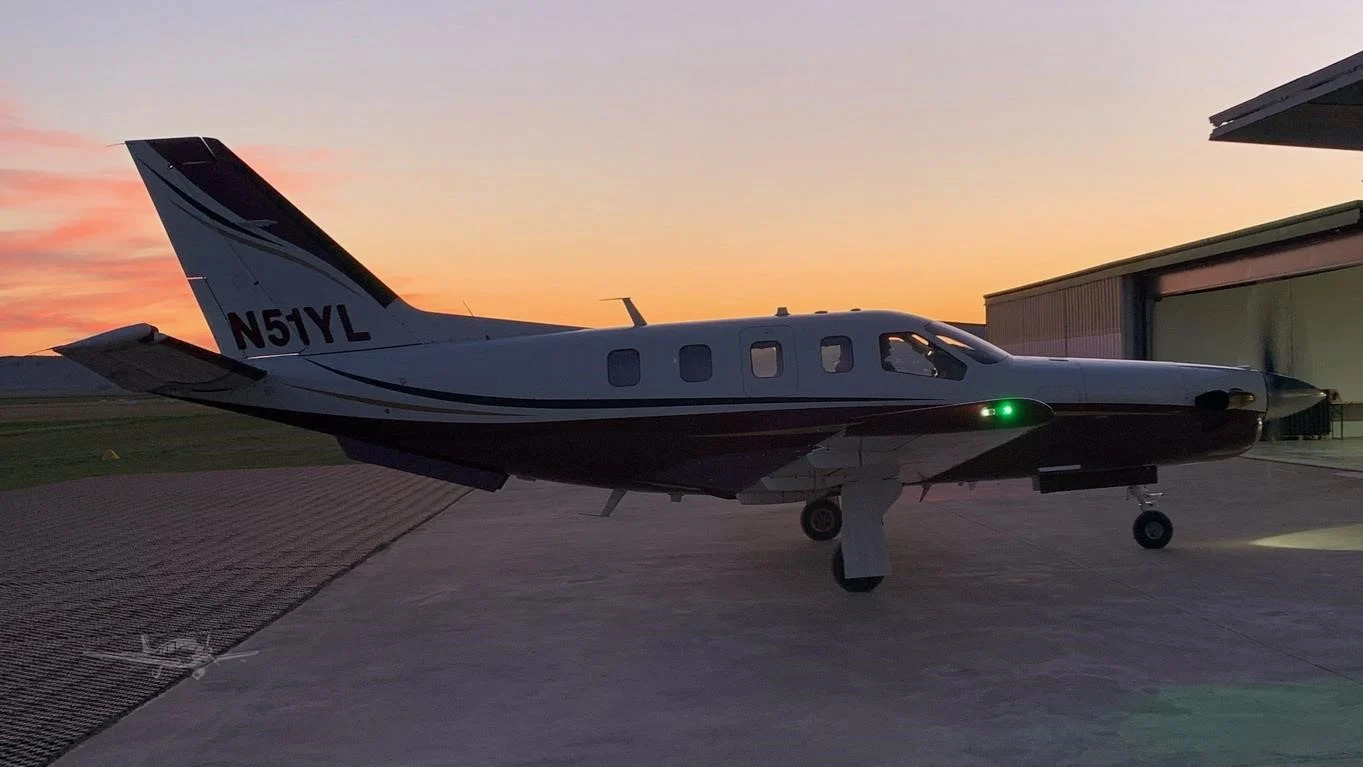
Specifications
Broker
Jet Aviation Brokers
John Carter
+1 (305) 555-0142
Aircraft Details
- Model: TBM 700C2
- Engine: Pratt & Whitney PT6A-64
- Engine Time: 2,378 hours since new
- Engine TBO: 3,500 hours
- Hot Section Inspection: Completed in 2020
- Avionics: Garmin G600 TXI, dual GTN 750 COM/NAV/GPS, GFC 600 autopilot (3 axes), GTX 345 and GTX 330ES transponders, weather radar, traffic/TAWS
- Exterior: Matterhorn White upper, Burgundy lower fuselage with gold and black stripes
- Interior: 2022 refurbishment, executive four-passenger configuration, beige color scheme with dark grey carpeting, writing table
- Maintenance: Fresh annual inspection completed, RVSM certified, always kept in a heated hangar, complete logs available, no damage history
- Additional Equipment: WX 500 Stormscope, AM 250 altimeter (copilot), MD 302 standby instrument, FS 510 Flightstream, GDL69A, KCS55A (HSI copilot)
- Useful Load: 2,828 lbs
About this Model
Overview
The DAHER (SOCATA) TBM-700C2 is a pressurized, single-engine turboprop designed to cover regional-to-cross-country missions at jet-like cruise speeds while retaining access to shorter runways than most light jets. It is typically configured for one pilot plus up to five passengers, emphasizing dispatch reliability, fast climb, and practical operating economics for owner-operators and small flight departments.
Mission Fit
The TBM-700C2 fits missions where a single pilot wants turbine performance for point-to-point travel, including high-altitude weather avoidance and terrain clearance. It works well when passenger count is limited and when the ability to use smaller airports reduces ground time. For consistently full seats, bulky luggage, or strict corporate twin/jet policies, the airframe may be a compromise.
Cabin
The pressurized cabin is arranged around a club-style seating concept with a forward cockpit separated from the cabin, providing a quieter, more stable ride than pistons at similar trip lengths. Cabin comfort is oriented toward functional business travel: upright seating, adequate personal space for a turboprop, and baggage accommodations suited to typical carry-on and soft luggage loads rather than large hard cases.