

Specifications
Broker
Aircraft Details
- Professionally managed and operated since new; certified for flight into known icing (FIKI)
- Equipped with IS&S IFMS v2.08 avionics suite, including two PFDs, 15-inch MFD with airliner-style synoptic displays, color weather radar, XM satellite weather, geo-referenced Jeppesen approach plates, fully coupled autopilot, and LPV approaches
- Engines: Two Pratt & Whitney PW610F-A, enrolled in BEI Gold engine program with 3,500-hour TBO; current times: 1,458.4 and 2,213.7 hours SNEW
- Airframe total time: 3,725.8 hours; total cycles: 3,642 (as of 6/30/26)
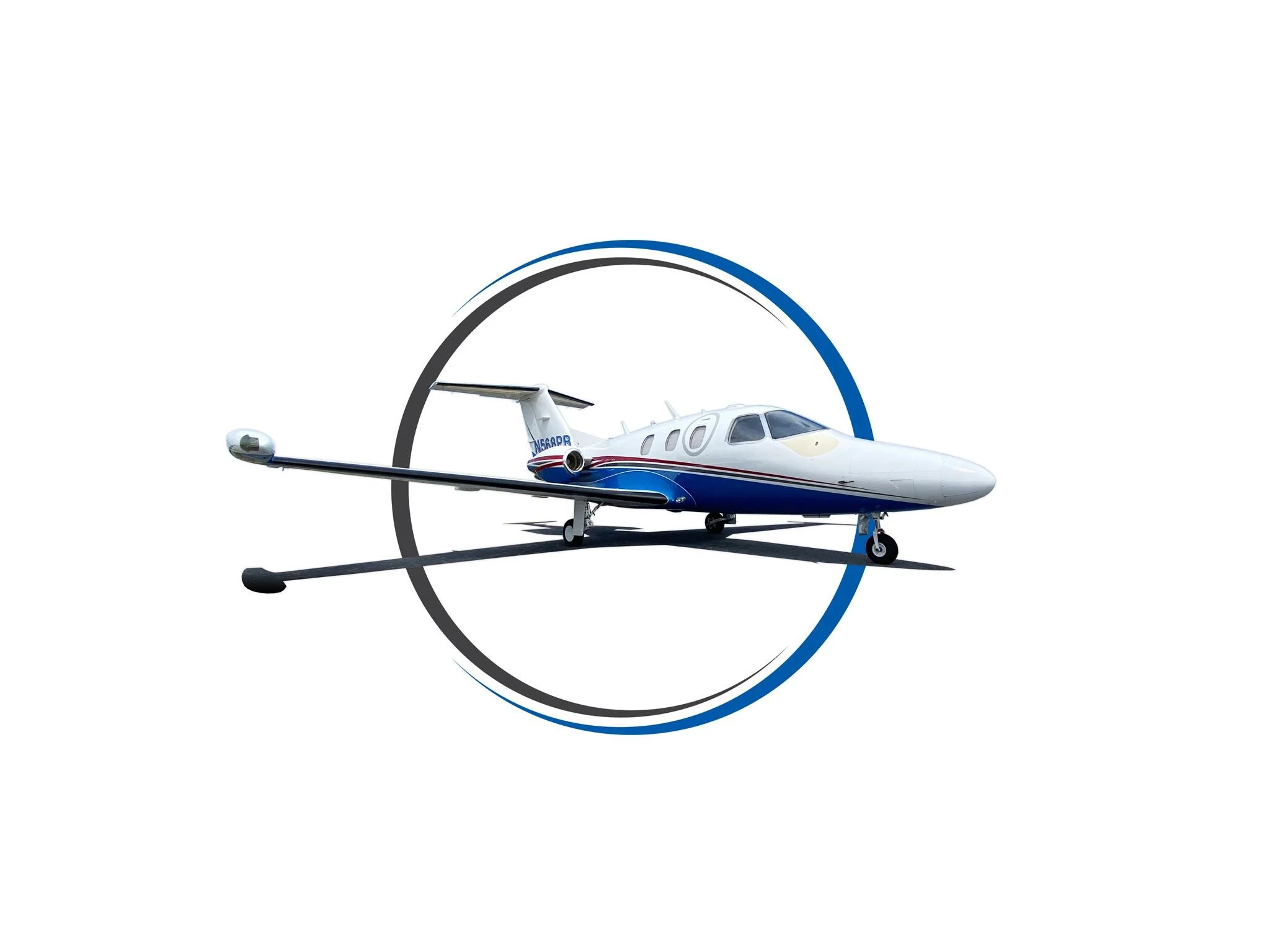
- Custom exterior paint by Hill Aero (2016), white with grey, red, and blue stripes; all exterior labels silk-screened
- Factory “Cayenne LX” interior with six seats (leather seating, sheepskin-covered crew seats, single-piece headliner, upgraded window shades, and executive configuration)
- Additional equipment: Skywatch HP TAS, Class B TAWS, upgraded RDR-2000 weather radar, 40 cu. ft. oxygen tank, Tamagawa landing gear actuators, PPG glass windshields, ADS-B Out, upgraded combustion liners, upgraded wing tip lights, and more
- RAS alternative maintenance program STC; new-style PhostrEx fire extinguisher canisters
- 24-month inspection due 02/2026; service bulletin complied with 10/2025
About this Model
Overview
The Eclipse EA500 is a compact, pressurized twin-engine jet built around the very light jet concept: modest cabin volume, low fuel burn relative to larger business jets, and systems intended to reduce workload for single-pilot operations. It is typically used for point-to-point regional travel where runway access and operating efficiency matter more than cabin space or long-range capability.
Mission Fit
The EA500 fits missions where time savings over piston/turboprop travel is important but typical passenger counts remain low. It works best when the trip profile avoids regular near-maximum payload, and when operators value jet cruise speeds and IFR capability in a small-aircraft footprint.
Cabin
Cabin volume is comparable to other VLJs: seating is typically arranged in a tight club configuration with limited ability for passengers to move around in flight. The environment is pressurized and climate-controlled, but comfort is most aligned with shorter flights and smaller groups rather than extended time aloft with frequent movement or extensive carry-on luggage.