

Specifications
Broker
Aircraft Details
- Upgraded custom interior installed 06/2020 with seating for 6, including a 6th seat, newer 550-style window shades, seat armrests, three AC outlets, and five passenger briefing cards
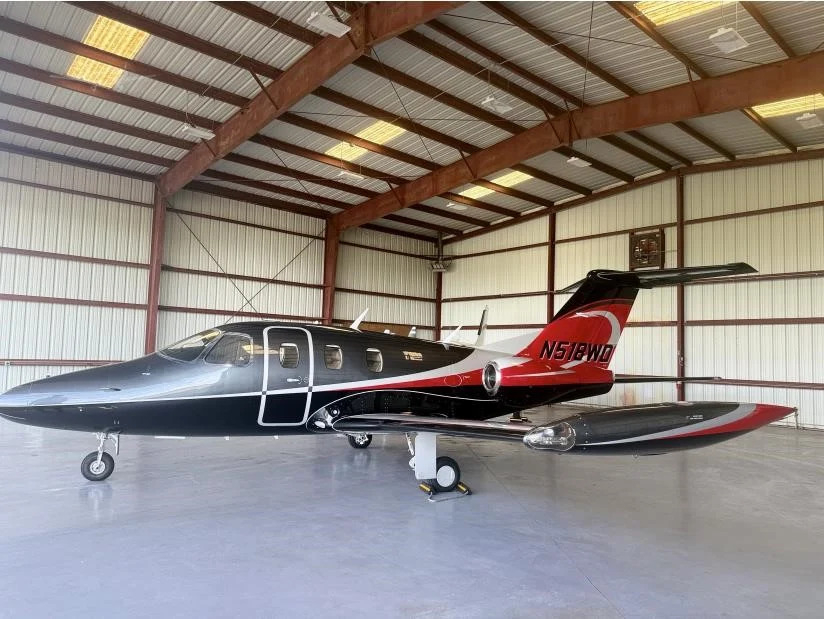
- Custom exterior paint scheme by Aerosmith Aviation completed 03/2020
- Commercial Operations/Part 135 package, FIKI (Flight Into Known Icing), 40 cubic foot oxygen system, Tamagawa pitch trim actuators, PPG glass windshields, upgraded combustion liners, 41,000 ft service ceiling, RAS Icephobic patch removal STC, RAS upgraded batteries, and cold weather start improvements
- BEI Gold engine maintenance program, engines: PW610F
- Engine 1: 2,288 hrs SNEW (TBO 3,500), Engine 2: 2,299 hrs SNEW (TBO 3,500)
- Recent maintenance: 24-month inspection (due 03/2026), 48-month inspection and fuel bay inspection (due 12/2028), engine hot section inspection (complied 09/2025)
- Avionics: IS&S IFMS v2.08 dual FMS, triple AHRS, fully-coupled autopilot, 2-tube EFIS, 15-inch MFD, Class B TAWS, Skywatch HP TAS, color weather radar, ADS-B Out, Garmin GDL-88 ADS-B In, LPV, XM weather, Jeppesen approach plates, Garmin Flight Stream 210
- Features: RVSM, dual FMS, Freon air conditioning, silk screened exterior labels, polished window frames, new-style PhostrEx fire extinguisher canisters
About this Model
Overview
The Eclipse EA500 is a compact, pressurized twin-engine jet built around the very light jet concept: modest cabin volume, low fuel burn relative to larger business jets, and systems intended to reduce workload for single-pilot operations. It is typically used for point-to-point regional travel where runway access and operating efficiency matter more than cabin space or long-range capability.
Mission Fit
The EA500 fits missions where time savings over piston/turboprop travel is important but typical passenger counts remain low. It works best when the trip profile avoids regular near-maximum payload, and when operators value jet cruise speeds and IFR capability in a small-aircraft footprint.
Cabin
Cabin volume is comparable to other VLJs: seating is typically arranged in a tight club configuration with limited ability for passengers to move around in flight. The environment is pressurized and climate-controlled, but comfort is most aligned with shorter flights and smaller groups rather than extended time aloft with frequent movement or extensive carry-on luggage.