

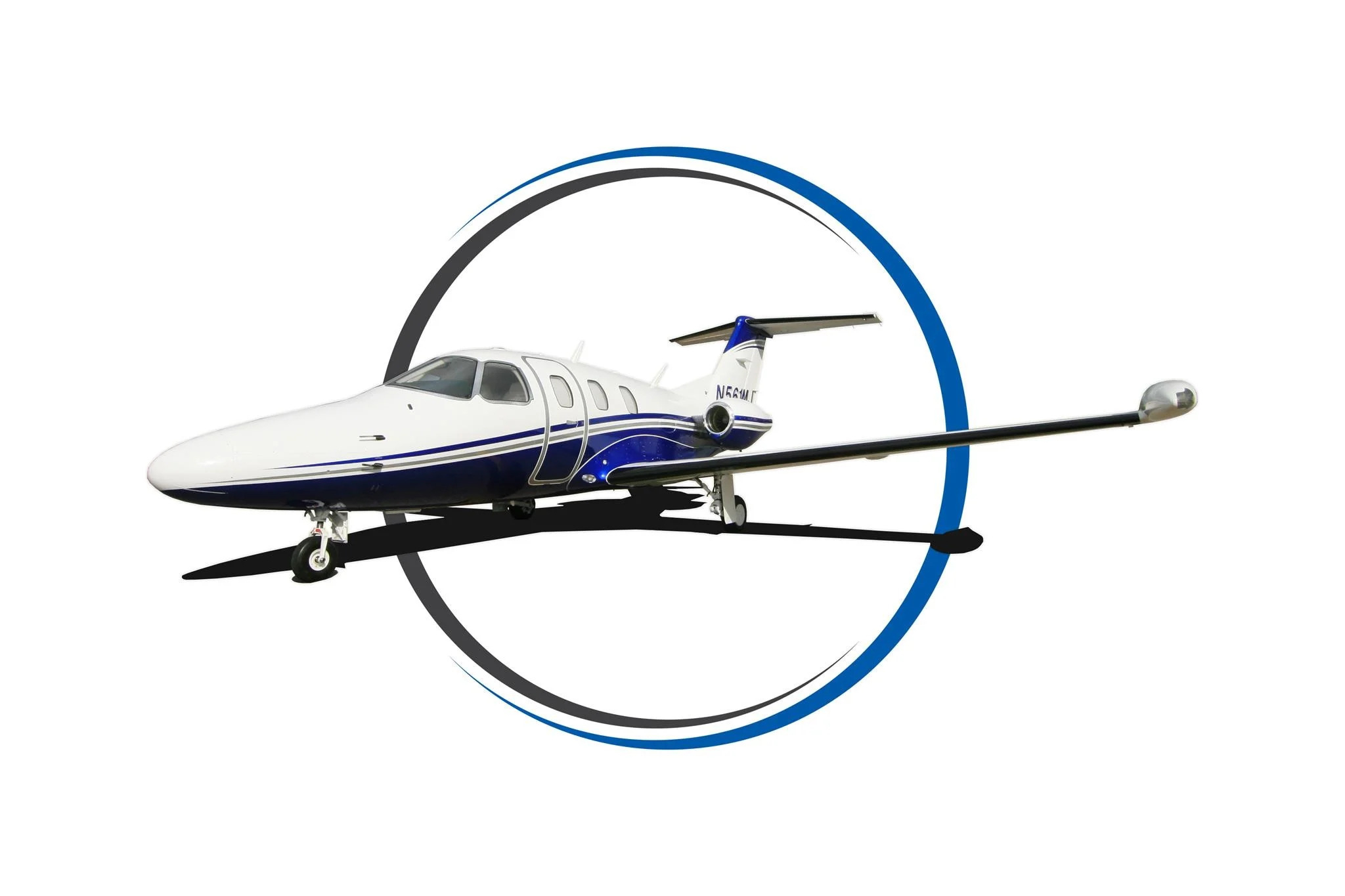
Specifications
Broker
Aircraft Details
- Model: Eclipse Total Eclipse
- Engine: (2) Pratt & Whitney PW610F-A (900 lbs thrust each)
- Engine Maintenance Program: BEI Gold “Plus” (fully paid, no deferrals)
- Total Time: 1,806.7 hours (L: 1,806.7, R: 1,766.5)
- Total Cycles: 1,646 (L: 1,646, R: 1,610)
- Cruise Speed: Up to 370 knots
- Operational Ceiling: 41,000 feet
- Fuel Burn: Less than 70 gallons per hour
- Avionics: Integrated Flight Management System (IFMS) v2.9, dual PFDs, 15” MFD, ADS-B “Out”, fully coupled autopilot, color weather radar
- Interior: Upgraded “550 Style” interior, configured for 6 passengers, refurbished in December 2023
- Exterior: Custom blue and silver stripes, painted in 2023
- Additional Equipment: Anti-skid brakes, synthetic vision, Class B TAWS, upgraded landing gear actuators, upgraded windshields, and more
- Inspection Status: Complies with all mandatory service bulletins, recent 24-month and 48-month inspections completed
About this Model
Overview
The Eclipse EA500 is a compact, pressurized twin-engine jet built around the very light jet concept: modest cabin volume, low fuel burn relative to larger business jets, and systems intended to reduce workload for single-pilot operations. It is typically used for point-to-point regional travel where runway access and operating efficiency matter more than cabin space or long-range capability.
Mission Fit
The EA500 fits missions where time savings over piston/turboprop travel is important but typical passenger counts remain low. It works best when the trip profile avoids regular near-maximum payload, and when operators value jet cruise speeds and IFR capability in a small-aircraft footprint.
Cabin
Cabin volume is comparable to other VLJs: seating is typically arranged in a tight club configuration with limited ability for passengers to move around in flight. The environment is pressurized and climate-controlled, but comfort is most aligned with shorter flights and smaller groups rather than extended time aloft with frequent movement or extensive carry-on luggage.