

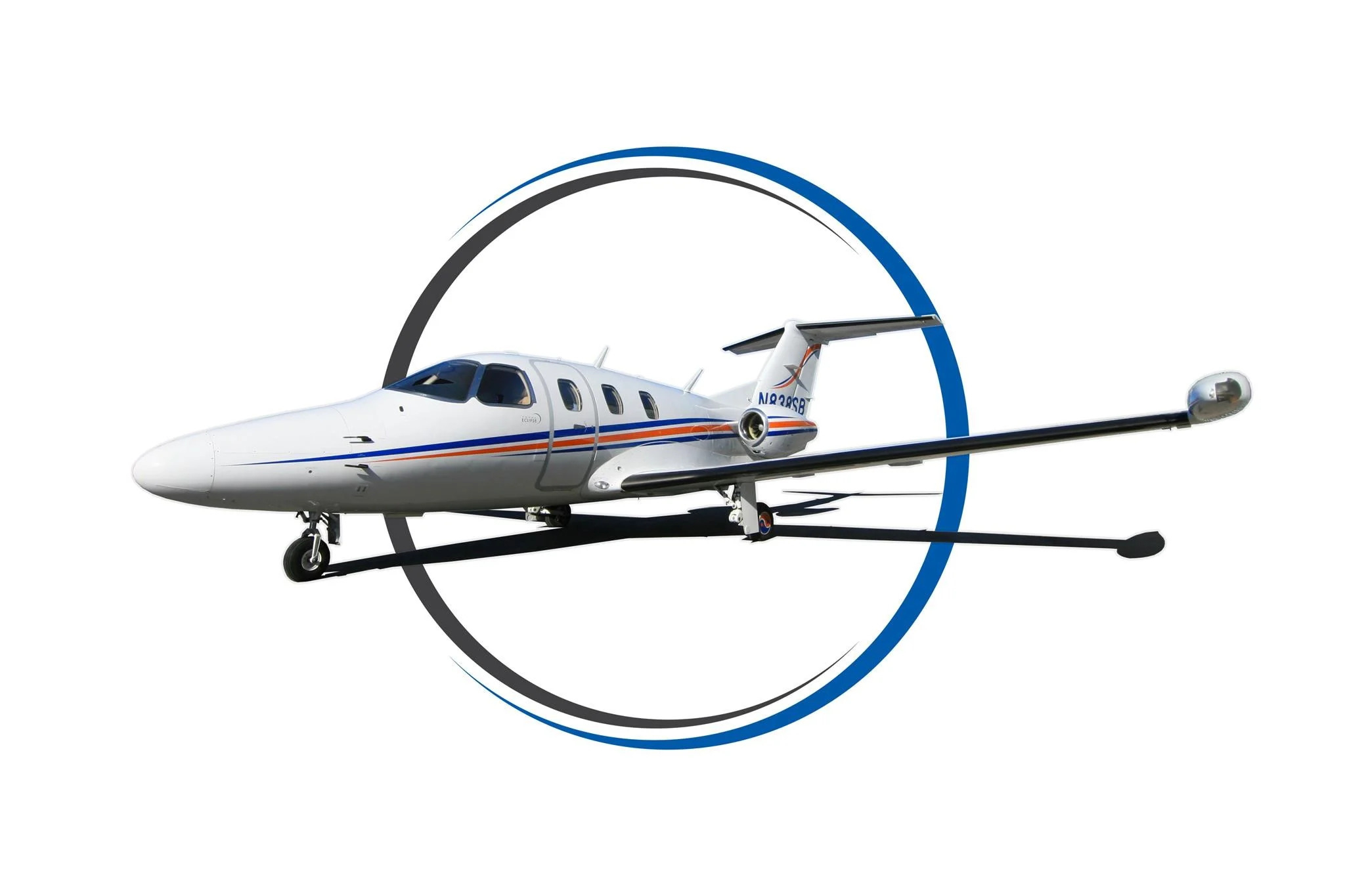
Specifications
Broker
Aircraft Details
- Located in Mirabel, Quebec, Canada
- Total time: 1,779 hours, 1,582 cycles (as of 4/25/26)
- Engines: 2 Pratt & Whitney PW610F-A, 3,500 hr TBO, enrolled in BEI Gold program, hot section inspections completed 3/29/26
- IFMS v2.5 avionics system (Safety Enhancement Package) with auto-throttles and anti-lock brakes
- Two PFDs, one 15” MFD, color weather radar, XM satellite weather, fully coupled autopilot, geo-referenced Jeppesen approach plates, FIKI
- Upgraded “550 Style” interior from Hill Aero (installed 2011), 6-seat configuration
- Custom Hill Aero paint scheme (2012), polished window frames, all exterior labels silk screened
- Commercial Operations/Part 135 package, Skywatch HP TAS, Class B TAWS, upgraded color weather radar, Tamagawa control trim actuators, PPG glass windshields, 6th passenger seat, ADS-B Out, anti-lock brakes, auto-throttle system, Iridium satellite telephone, upgraded batteries, LoPresti Boom Beam landing light kit, stormscope/strike-finder
- Complies with all mandatory service bulletins, recent 24-month/300hr and 48-month/1,200hr inspections, new style PhostrEx fire extinguisher canisters
- RVSM certified, discounted RVSM compliance services available
- Canadian import taxes/duties paid
About this Model
Overview
The Eclipse EA500 is a compact, pressurized twin-engine jet built around the very light jet concept: modest cabin volume, low fuel burn relative to larger business jets, and systems intended to reduce workload for single-pilot operations. It is typically used for point-to-point regional travel where runway access and operating efficiency matter more than cabin space or long-range capability.
Mission Fit
The EA500 fits missions where time savings over piston/turboprop travel is important but typical passenger counts remain low. It works best when the trip profile avoids regular near-maximum payload, and when operators value jet cruise speeds and IFR capability in a small-aircraft footprint.
Cabin
Cabin volume is comparable to other VLJs: seating is typically arranged in a tight club configuration with limited ability for passengers to move around in flight. The environment is pressurized and climate-controlled, but comfort is most aligned with shorter flights and smaller groups rather than extended time aloft with frequent movement or extensive carry-on luggage.