

Specifications
Broker
Aircraft Details
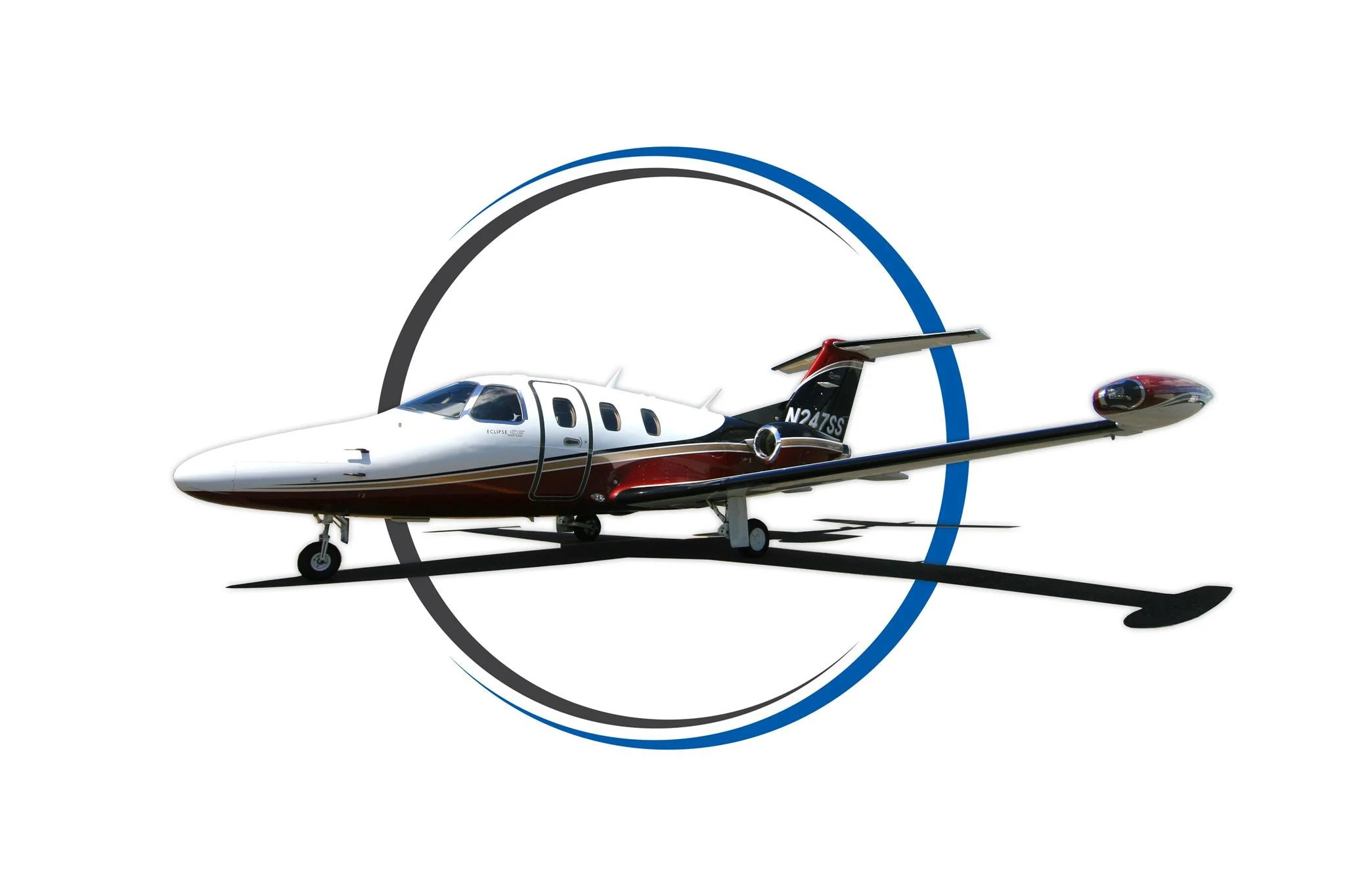
- Model: Eclipse EA500 Special Edition
- Equipped with IFMS v2.9 by Innovative Aerosystems
- Cruise speed: up to 370 knots
- Operational ceiling: 41,000 feet
- Fuel burn: less than 70 gallons per hour
- Engines: 2 x Pratt & Whitney PW610F-A (900 lbs thrust each)
- Engine maintenance program: BEI Gold Lite PLUS "Flex"
- Total engine hours: 1,796.7 SNEW
- Total cycles: 1,397 SNEW
- Hot section inspection completed at 1,774.9 hours
- Dual integrated flight management systems
- 15” multi-function display with airliner-style synoptic displays
- Anti-skid braking system and auto-throttles
- Flight Into Known Icing (FIKI) certified
- Upgraded Special Edition interior with six seats
- Modified Laminar exterior scheme in light burgundy, harvest gold, and black velvet
- Complies with all mandatory service bulletins
- Equipped with ADS-B “Out” and Class B TAWS
- Additional features include USB power outlets, upgraded weather radar, and anti-lock brakes.
About this Model
Overview
The Eclipse EA500 is a compact, pressurized twin-engine jet built around the very light jet concept: modest cabin volume, low fuel burn relative to larger business jets, and systems intended to reduce workload for single-pilot operations. It is typically used for point-to-point regional travel where runway access and operating efficiency matter more than cabin space or long-range capability.
Mission Fit
The EA500 fits missions where time savings over piston/turboprop travel is important but typical passenger counts remain low. It works best when the trip profile avoids regular near-maximum payload, and when operators value jet cruise speeds and IFR capability in a small-aircraft footprint.
Cabin
Cabin volume is comparable to other VLJs: seating is typically arranged in a tight club configuration with limited ability for passengers to move around in flight. The environment is pressurized and climate-controlled, but comfort is most aligned with shorter flights and smaller groups rather than extended time aloft with frequent movement or extensive carry-on luggage.