

Specifications
Broker
Aircraft Details
- Maintenance:
- 12-Month Inspection due by May 1, 2025
- 24-Month Inspection due by May 1, 2025
- 36-Month Inspection due by May 1, 2028
- 60-Month Inspection due by May 1, 2033
- Certified by EASA
- Additional Equipment:
- Autobreak
- 115-cubic foot oxygen cylinder
- Hydraulic system with electric pump
- Engine:
- Model: HTF7500E
- Not on a maintenance program
- Both engines have 420 hours since new
- Avionics:
- Collins Pro Line Fusion package
- Triple communication radios
- 4-tube LCD EFIS
- Hi Frequency with SELCAL
- Navigation radios included
- TAWS with predictive windshear
- Vertical weather radar
- Interior:
- Capacity for 9 passengers
- Executive configuration
- Galley for refreshment
- Enhanced cabin management system for entertainment
- Ka-band high-speed internet for business
- Belted vacuum lavatory
About this Model
Overview
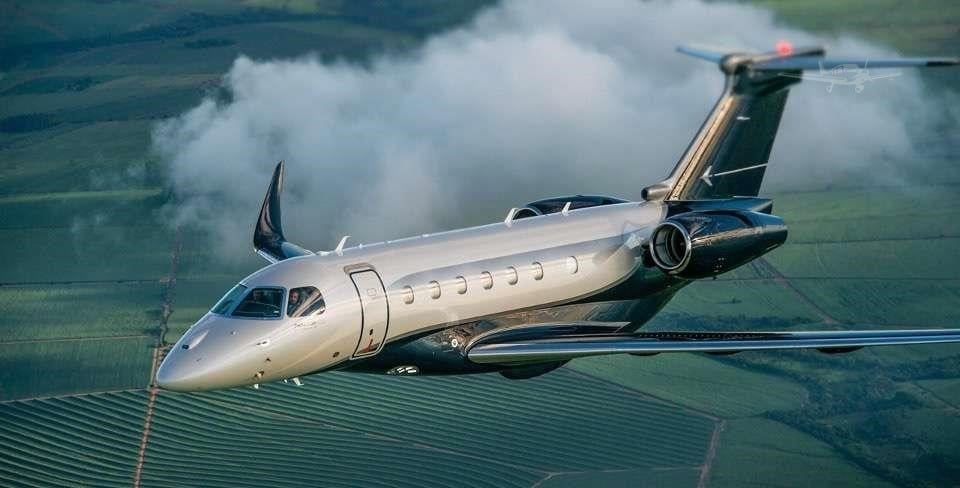
The Embraer Praetor 600 sits at the upper end of the super-midsize segment, combining a large, flat-floor cabin with range that supports many North America transcontinental missions and selective transatlantic pairings. It is typically chosen by operators who want a two-pilot business jet that can cover longer stages without moving up to a heavier large-cabin platform, while still retaining access to a broad set of airports and FBO infrastructure.
Mission Fit
In day-to-day use, the Praetor 600 is oriented toward high-utilization business travel—long legs, fewer fuel stops, and consistent cabin comfort. Its range and fuel capacity give it flexibility for weather deviations and holding, but mission planning for transoceanic routes still depends on winds, alternates, payload, and regulatory requirements.
Cabin
The cabin is a flat-floor layout with a mid-cabin galley and an aft lavatory, designed for a larger-aircraft feel in a super-midsize footprint. Seating is commonly arranged for six to eight passengers with club seating forward and additional seats or a divan aft. Noise levels are generally low for the class, and the aircraft is well suited to longer legs where passengers work or rest. Baggage is typically accessible in flight, which helps on longer sectors and when carrying mixed work/personal loads.