

Specifications
Broker
Jet Aviation Brokers
John Carter
+1 (305) 555-0142
broker@example.com
Aircraft Details
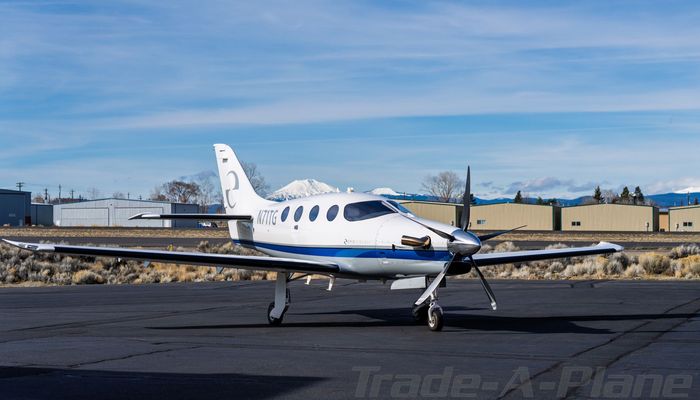
- Model: EPIC E1000 GX
- Avionics: Garmin G1000 NXI with dual 10-inch primary flight displays and 12-inch multifunction display
- Autopilot: Garmin GFC700 with yaw damper, auto trim, coupled go-around, and automated emergency descent
- Engine: Pratt & Whitney PT6A-67A
- Total Engine Time: Approximately 837.9 hours
- Propeller: Hartzell 5-blade composite propeller
- FIKI (Flight Into Known Icing) approved
- RVSM (Reduced Vertical Separation Minimum) certified
- Interior: Six-place executive configuration with reclining leather seats, photovoltaic dimming windows, and adjustable ambient lighting
- Exterior: White with blue/gray accents
- Maintenance: Last annual inspection in September 2025; lifetime CrewChief digital logbook subscription included
- Performance: High-altitude capability with jet-like speed and climb performance
- Warranty: Remaining factory warranty until May 2027 or 1,000 hours
About this Model
Overview
The EPIC E1000 is a high-performance, pressurized, single-engine turboprop built around a PT6A powerplant and a modern glass cockpit. It targets buyers who want near light-jet cruise speeds with turboprop operating flexibility, including operation from a wider set of airports than many jets. Typical use cases center on 3–6 passengers with bags, regional to medium-length trips, and frequent IFR flying where a single-pilot, owner-operated workflow matters.
Mission Fit
The E1000 fits missions where a single pilot wants turbine reliability and strong cruise performance without moving into multi-engine jets. It is well matched to business and personal travel that prioritizes speed and dispatch flexibility, while remaining constrained by single-engine considerations and a cabin that is comfortable but not in the “large cabin” category.
Cabin
The cabin is configured for executive-style seating with a focus on forward visibility, pressurized comfort, and practical baggage volume for a single-engine aircraft. Expect a refined, modern interior with club-style seating options depending on configuration, and a cockpit environment designed for workload management in single-pilot IFR. Comfort is best when passenger count aligns with seating and baggage limits for the specific aircraft and mission profile.