

Specifications
Broker
Aircraft Details
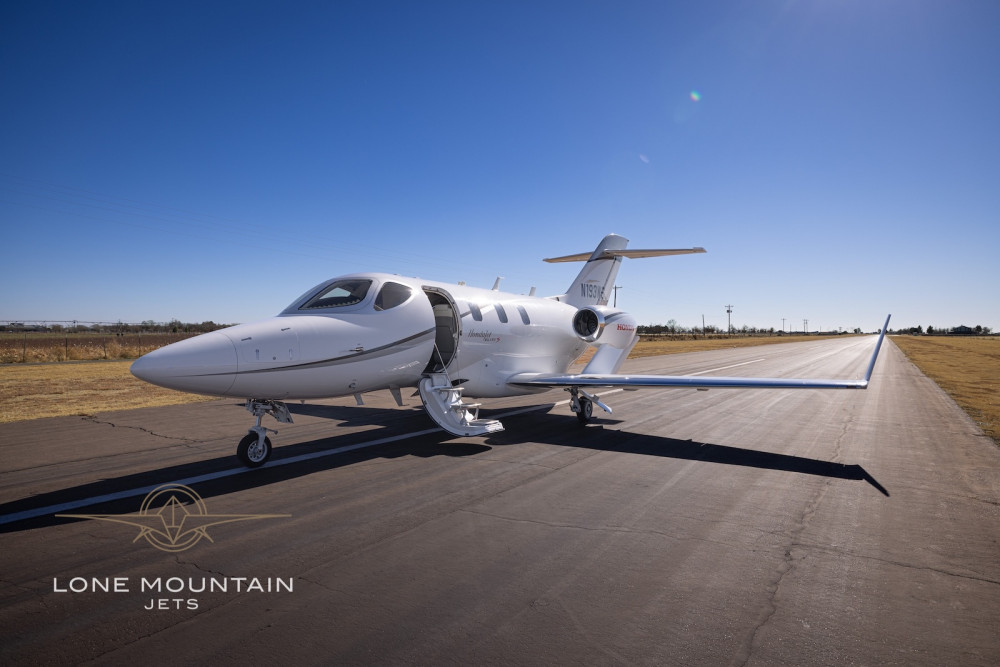
- Model: HONDAJET ELITE S
- Avionics: Garmin G3000 Integrated System, TCAS II, Iridium Satellite, XM Weather, Automatic Flight Control System (AFCS), Synthetic Vision, Jeppesen Chartview, TAWS Class A, CVR/FDR Combination
- Engine: GE HONDA HF120-H1A, both engines with 1,026 hours since new
- Airframe Program: P3
- Interior: Taupe and grey, four passenger seats in a single club configuration, additional side-facing seat in forward cabin, full interior refresh including carpet, sidewalls, leather refinishing
- Exterior: White base with grey and black accents, repainted as needed
- Features: Belted lavatory seat, electrically dimmable shades, speed brakes, stowable executive tables, L3 WiFi, Bongiovi sound system, solid aft cabin door, externally serviceable toilet
- Additional Equipment: Over $1,000,000 in factory and post-delivery options, fully programmed with P3 and EMC2, ASAS (Advanced Steering Augmentation System)
About this Model
Overview
The HondaJet Elite S is a very light jet designed around frequent regional missions where time savings and operating simplicity matter. Its over-the-wing engine mount helps keep the cabin quieter than many entry jets and supports a compact, efficient airframe footprint for access to smaller airports. In typical use it serves 1–2 passengers plus baggage comfortably, with the flexibility to carry more on shorter legs depending on payload and fuel.
Mission Fit
This aircraft fits high-frequency travel patterns: city-pair hops, multi-stop days, and missions where you want jet speed without stepping up to a larger cabin class. It is best when passenger count is modest and baggage needs are managed; payload and range planning becomes more important as you add passengers, winter reserves, or headwinds.
Cabin
The cabin is arranged for a small group environment with club seating and a separate enclosed lavatory that also serves as a privacy feature for longer legs. Windows are comparatively large for the class, and the engine placement above the wing helps reduce perceived cabin noise and vibration. Storage is split between an aft baggage area and smaller in-cabin spaces, so packing strategy matters for bulky items.