

Specifications
Broker
Aircraft Details
- Model: BO105CBS4
- Configuration: 1 or 2 pilot with 3 or 4 passenger seating
- Engine: Rolls Royce 250-C20B Turboshaft (420 SHP)
- Dual hydraulic system
- Maximum speed: 145 knots (166 mph)
- Cruise speed: 120 knots (138 mph)
- Fuel capacity: 150 US gallons (570 L)
- Fuel endurance: 2 hours 30 minutes
- Maximum altitude: 17,000 ft
- Maximum gross weight: 5,512 lbs (2,500 kgs)
- Equipped with multiple STCs for enhanced capabilities:
- 10-inch cabin extension
- Increased maximum gross weight
- High skid gear with VIP boarding steps
- Updated avionics include:
- Garmin 430 GPS
- Aspen 1000H PFD
- Bendix/King KI-250 Radar altimeter
- Garmin GTX 345 Transponder with WAAS, ADS-B in/out
- Custom 5-seat interior with premium leather
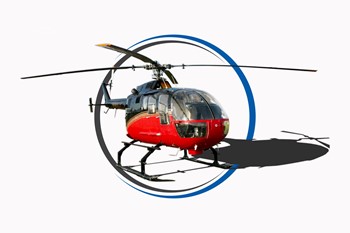
- Exterior: Black and Red with Gold accents
- Inspection status: 12-month airframe and ELT inspections completed in May 2025, all ADs complied with.
About this Model
Overview
The BO 105 is a light twin-engine helicopter known for its rigid (hingeless) rotor system and responsive handling. It is typically selected for missions that benefit from twin-engine redundancy, a compact footprint for confined-area operations, and a practical cabin that can be configured for passengers or mission equipment. Most examples in service have been modified over time (avionics, interiors, mission kits), so the specific aircraft’s configuration matters more than the baseline type description.
Mission Fit
The BO 105 fits missions that are relatively short to moderate in duration, prioritize access to tight landing zones, and value the operational considerations of a twin. It is less aligned with buyers who regularly need long legs, high cruise performance, or large payload/cabin volume.
Cabin
Cabin experience is functional and mission-oriented rather than spacious. Seating and interior finish vary widely by operator history; some aircraft have simple, easy-clean interiors while others are refurbished for executive-style short hops. Noise and vibration levels are typical of the helicopter class and era, and comfort is influenced heavily by interior condition, door seals, and rotor/drive-train health.