

Specifications
Broker
Aircraft Details
• Professionally flown and managed, maintained by Pilatus Authorized Service Centers
• Premium U.S. avionics package with Honeywell flight deck
• Executive 6+2 seating configuration with BMW Mocawood interior
• 3,170 total airframe hours and 2,510 cycles
• Pratt & Whitney PT6A-67P engine with 3,170 hours since new, 2,510 cycles, TBO 3,500
• Hartzell five-blade composite propeller, 3,170 hours since new
• Avionics: Dual GPS, TAWS Class B, TCAS I, SmartView synthetic vision, wireless connected flight deck, Stormscope WX-500, WAAS/LPV, dual ChartLink, dual Mode S transponders, satellite weather, Iridium antenna, ADS-B Out, RVSM, coupled VNAV, RDR 2060 radar, integrated standby instrument system
• Additional features: supplemental air conditioning, pulsing recognition lights, wireless eConnect entertainment, XM satellite weather, dual battery switch, electro-mechanical landing gear, LED exterior lights
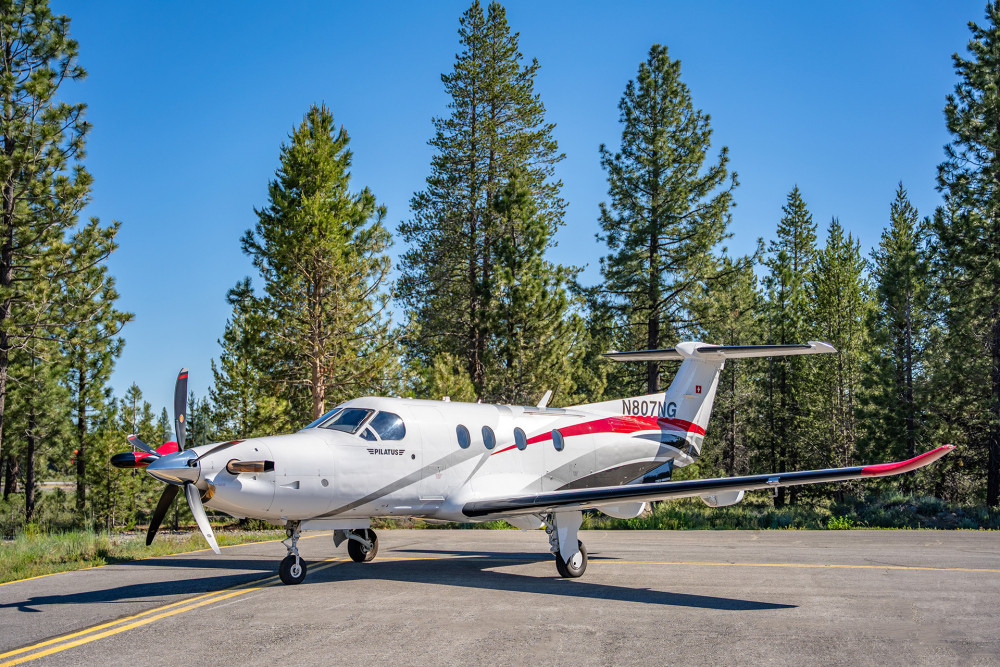
• Pilatus Serenity paint scheme: Snow White with Red Baron, Phantom Gray, Titanium accents (last painted 2018)
• Interior refurbished 2018, 8 seats, 110V AC outlets in cockpit and cabin, lavatory
• No known history of damage
About this Model
Overview
The Pilatus PC-12 NG is designed to cover a wide range of missions that sit between pistons/light turboprops and light jets: efficient regional trips, access to shorter or less-developed runways, and the ability to carry passengers plus meaningful baggage or freight. Its core value is operational flexibility—pressurized comfort and all-weather capability paired with turboprop economics and a large, multi-purpose cabin with a cargo door.
Mission Fit
The PC-12 NG is a strong fit when the trip profile includes secondary airports, shorter runways, or variable payload needs. It can provide a practical alternative to light jets on many stage lengths, but its cruise speed and typical operating altitudes will generally produce longer block times than jets on the same city pairs.
Cabin
The cabin is sized and shaped to be used rather than just occupied: a flat floor, stand-up loading through a large aft cargo door, and configurations that can shift between executive seating and utility transport. Pressurization supports comfortable cruise altitudes for passengers, and the aircraft’s baggage/cargo handling is a differentiator for buyers who routinely travel with equipment, bulky luggage, or mixed passenger-cargo loads.