

Specifications
Broker
Aircraft Details
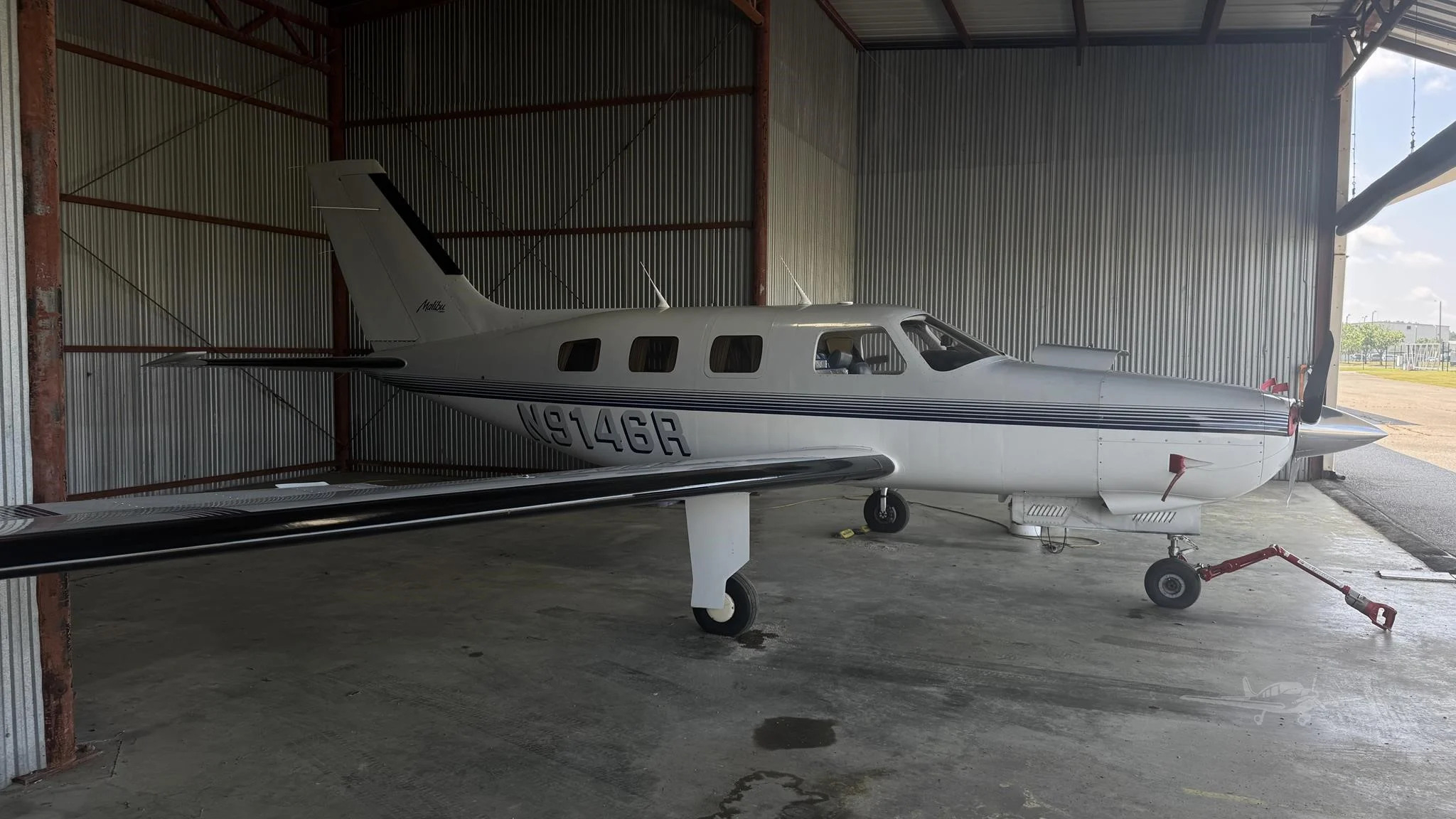
- Maintenance: Maintained under FAR Part 91; damage status: nose gear collapse.
- Engine: Model TSIO-520-BE; total time since new: 540 hours; TBO: 2000 hours.
- Additional Equipment:
- 2-blade electric prop
- FIKI (Flight Into Known Icing) equipped
- Ice protection features
- Electric heat kit
- Tanis engine heat
- Windshield heat plate
- Oxygen system
- Heated pitot
- Avionics:
- ADF (inoperable)
- Bendix/King KEA-130A altimeter
- King KFC-150 IFCS autopilot with yaw damper
- Communication radios: Bendix/King KX-165, Garmin GNS-530W
- King KCS-55 compass
- IFR flight rules
- Garmin GNS-530W GPS
- Navigation radios: Bendix/King KNI-525, Garmin GNS-530W
- Bendix/King KRA-10 radar altimeter
- L3 WX-1000 stormscope
- Garmin GTX-345 transponder
- Features: Equipped with ice protection, standard traffic collision avoidance system, ADS-B capable, and weather radar.
- Interior: Executive configuration, blue leather, air conditioning, refreshment center, executive writing table.
- Exterior: White with gray and dark blue stripes.
About this Model
Overview
The Piper Malibu is a pressurized, low-wing single designed to cruise in the high teens to mid‑20s (when equipped and operated accordingly) while keeping passengers in a more comfortable cabin environment than non-pressurized piston singles. It targets owners who want efficient point-to-point travel for 2–4 people with the flexibility of smaller-airport access and the operating simplicity of a single engine, while accepting the workload and discipline that come with a complex, high-performance piston aircraft.
Mission Fit
In practice, the Malibu fits missions where a pilot-owner wants to go farther and faster than typical piston singles while enjoying a pressurized cabin and higher cruise altitudes for smoother rides and better winds. It is less aligned with missions that demand turbine-like redundancy or all-weather capability beyond what the specific airframe is equipped, approved, and maintained to deliver.
Cabin
The Malibu’s cabin is oriented around comfortable seating for a small group, with a quieter, more stable feel at altitude than non-pressurized piston aircraft. Expect a club-style feel in some configurations, with the real differentiator being pressurization rather than stand-up space. Passenger comfort is strongly influenced by the condition of door seals, environmental controls, and cabin soundproofing, which can vary by aircraft and modifications.