

Specifications
Aircraft Details
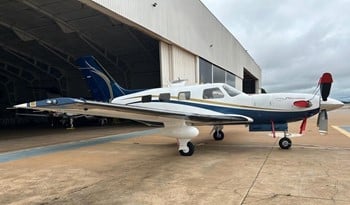
- Model: PIPER MERIDIAN
- Engine: PRATT & WHITNEY PT6A-42A
- Engine Time: 1,493 hours since new (SNEW)
- Engine TBO: 3,600 hours
- Propeller: HARTZELL
- Propeller Time: 1,427 hours since new (SNEW)
- Number of Blades: 4
- Avionics: GARMIN G1000 AVIONICS SUITE
- Dual 10” Primary Flight Displays (PFDs)
- 15” Multi-Function Display (MFD)
- Dual GARMIN GIA 63W NAV/COM/GPS
- Dual GARMIN GMA 1347 Audio Panels
- Dual GARMIN GDC 74A Air Data Computers
- GARMIN GFC 700 Autopilot
- GARMIN GMC 710 Autopilot Controller
- GARMIN GCU 476 Keypad
- GARMIN TAWS
- GARMIN FliteCharts
- GARMIN SafeTaxi
- Standby Flight Instruments
- Inspection Status: Airworthy; extensive repairs and inspections completed after an incident in 2014, ensuring perfect airworthiness and safety.
About this Model
Overview
The Piper Meridian (PA-46-500TP) is a pressurized, single-engine turboprop built around the PA-46 airframe, bridging high-performance pistons and entry turboprops. It is typically used for personal and business point-to-point travel where short-to-medium stage lengths, all-weather capability, and manageable single-pilot operations are priorities. Compared with larger cabin turboprops, the Meridian trades cabin volume and payload flexibility for lower operating complexity and access to smaller airports.
Mission Fit
The Meridian tends to fit missions in the few-hundred-nautical-mile range with the flexibility to climb above much of the weather and operate into many general-aviation airports. Buyers generally view it as a practical turbine step-up aircraft for two to four people plus baggage, with performance that improves options in terrain and icing seasons when properly equipped and operated within limitations.
Cabin
The Meridian cabin is a compact, pressurized environment derived from the PA-46 family. Seating is commonly arranged for a pilot and up to five passengers, but real-world comfort depends on occupant size, trip length, and baggage. The cabin is quieter and more stable than many pistons at altitude, though it remains a narrow, low-profile fuselage compared with larger turboprops. Baggage is typically split between a rear area and additional compartments, so packing strategy matters when traveling with multiple passengers.