

Specifications
Broker
Jet Aviation Brokers
Aircraft Details
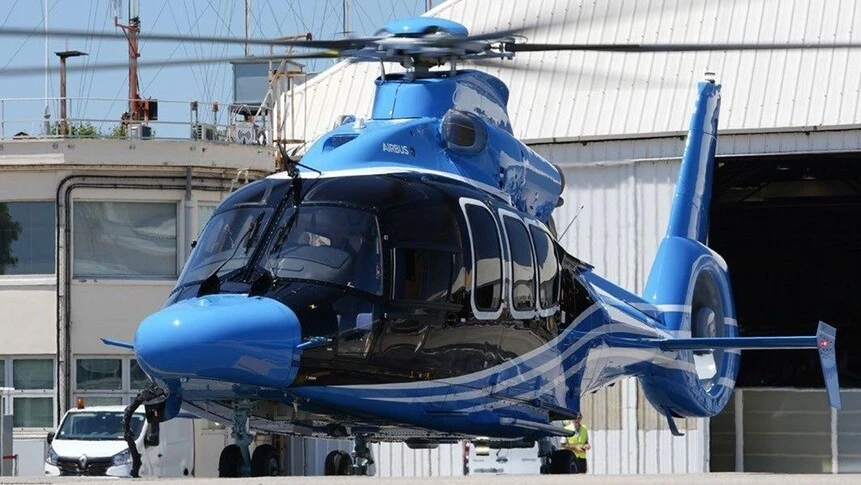
• Factory new Airbus H155 / EC155B1 helicopter located in Monaco
• Multi-mission capability with spacious cabin for up to 13 (12+1) passengers or VIP configuration
• Flexible mission configurations and single pilot / IFR operation
• Equipped with TCAS, CVFDR, 4-axis digital autopilot, Garmin GTN 750H x2, 10.4” mission display, ADF, DME, ADS-B Out, weather radar RDR 1600C, dual AHRS & ADCs, Appareo Vision 1000 flight recorder, moving map, Kannad ELT with GPS
• Turbomeca Arriel 2C2 engines with dual-channel FADEC
• Goodrich hoist (272 kg, 90 m, FP), rappelling installation (FP), wire strike protection system, dual sliding doors
• Air conditioning system and digital audio communication with crew/passenger intercoms
• Large baggage compartment, comprehensive support package & onboard spares
• Customized external paint, full OEM warranty, can be enrolled in normal SBH
• Offered "as is," ex-works Asia with valid export certificate of airworthiness
• Total airframe time: 0 (factory new)
About this Model
Overview
The Airbus H155 is a medium, twin‑engine helicopter commonly used for corporate/VIP transport, offshore support, and public service roles. It is positioned for operators who want a modernized cockpit, strong hot-and-high/IFR operating capability relative to lighter twins, and a cabin sized for comfortable point-to-point travel with multiple layout options. Mission planning typically balances payload, fuel, and reserves; actual performance varies materially with configuration, conditions, and regulatory requirements.
Mission Fit
The H155 tends to fit operators flying multi-stop days, weather-affected routes, or over-water profiles where twin-engine margins, avionics capability, and passenger comfort matter. It can be configured for high-seat-count transport, VIP seating, or mission equipment, but trade space is driven by installed options and weight. Buyers should map typical stage lengths, alternate requirements, and payload targets to the specific aircraft’s equipment list and certified performance charts.
Cabin
The cabin is designed around low vibration, good visibility, and flexible seating. Typical layouts support executive seating or higher-density passenger transport, with sliding doors and a flat-floor style cabin feel compared with smaller twins. Noise levels and ride quality depend on avionics/comfort options and interior condition, so the specific aircraft’s completion quality and refurbishment history matter.