

Specifications
Broker
Aircraft Details
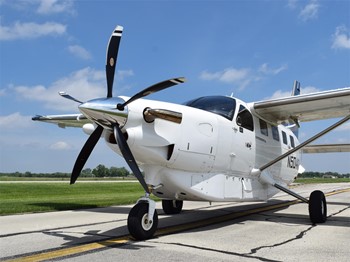
- Model: KODIAK 100 SERIES III
- Condition: New
- Engine: PRATT & WHITNEY PT6A-34
- Engine TBO: 4000 hours
- Propeller: 5 blades
- Avionics: GARMIN G1000 NXi
- ADS-B Equipped: Yes
- WAAS: Yes
- Synthetic Vision Technology (SVT): Yes
- Dual VOR/ILS Receivers, Dual GPS Receivers
- GTX 345R Mode-S Transponder (ADS-B In/Out)
- GFC 700 Autopilot with advanced features
- Class-B Terrain Awareness and Warning System
- Flight Into Known Icing (FIKI): Yes
- Additional Equipment:
- TKS Ice Protection with Tank in Cargo Pod
- 10-Place Oxygen System
- 29” Tires
- Air Conditioning
- 4 Year Kodiak Care Maintenance Program
- Interior: Summit Interior Upgrade
- Seats: 8 (All-Leather with Full Recline)
- LED Lighting, AC Control, USB Charging Ports
- Exterior: Customizable paint options
- Location: Sandpoint, Idaho
About this Model
Overview
The Kodiak 100 Series III is a high-wing, fixed-gear, single-engine turboprop designed around utility missions where runway length, surface quality, and loading flexibility matter more than cruise speed or a pressurized cabin. It is commonly configured to switch between passengers, cargo, and medevac-style layouts with minimal downtime, making it a fit for operators who routinely fly into short or unimproved strips and need predictable dispatch with straightforward ground handling.
Mission Fit
This model suits point-to-point flying where the destination is the constraint—short runways, rough surfaces, limited ground support, or the need to carry bulky items. It can serve as a practical regional shuttle, adventure/outfitter platform, or special-mission aircraft. If your typical flying emphasizes high cruise efficiency, high-altitude comfort, or consistently long legs, other turboprops or light jets may align better.
Cabin
Cabin experience is oriented toward utility and access. The high-wing airframe supports good visibility and typically easier boarding/ground clearance around the cabin area. Interiors vary widely by operator: from durable, easy-clean passenger seating to more refined private-use finishes. Expect a functional environment with an emphasis on payload flexibility and practical stowage rather than a quiet, pressurized executive cabin.