

Specifications
Broker
Aircraft Details
• Delivered new in March 2022, one owner since new, never chartered
• Only 1,685 total hours and 1,131 landings
• Meticulously maintained, EASA compliant, airworthy, and covered by Gulfstream warranties
• Fully enrolled on engine and APU maintenance programs
• Equipped with over $1.5 million in factory options
• High-speed Jet ConneX Ka-band internet and WiFi
• 14-passenger executive configuration with powered seating
• Forward galley with espresso machine, quartz countertops, and stone flooring
• Entertainment system: 32-inch credenza monitor, dual 24-inch bulkhead monitors
• Bulkhead with electric pocket door for cabin division
• Avionics: Gulfstream Symmetry Flight Deck, Dual Honeywell Epic FMS, HUD, EVS, EGPWS, TCAS 7.1, FANS-1/A, color radar with predictive windshear
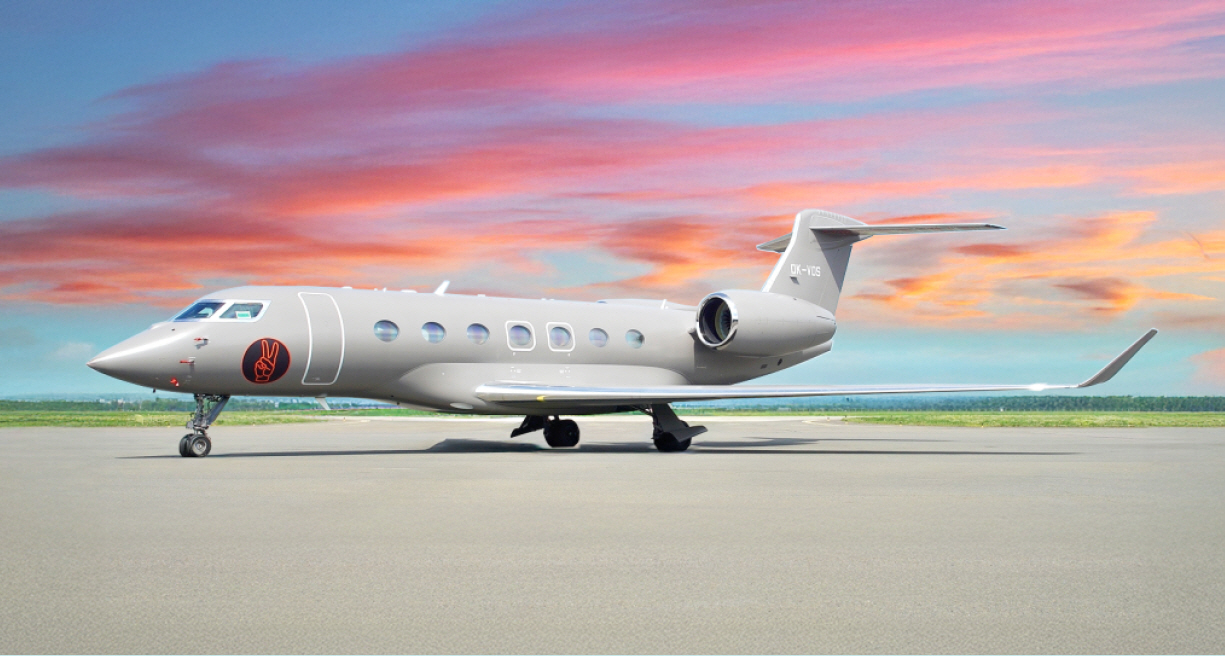
• Exterior: Two-tone custom paint with protectant
• EASA validated, EU-based aircraft, turnkey and ready for operations
About this Model
Overview
The Gulfstream G500 sits in the long-range, large-cabin segment, targeting missions that value speed, cruise altitude, and a modern cabin without stepping into ultra-long-range size. It shares key design themes with other Gulfstream models—high-speed cruise capability, efficient high-altitude operation, and a flight deck built around integrated avionics and active flight-safety systems—while offering a cabin sized for full teams and multi-hour productivity.
Mission Fit
The G500 is typically chosen for nonstop stage lengths that push beyond super-midsize norms, with flexibility to carry multiple passengers and bags at high cruise altitudes. It is best used when the cabin is consistently utilized and when schedule reliability benefits from strong climb and cruise performance. For primarily short-hop utilization or highly constrained airports, its operating footprint may be more aircraft than needed.
Cabin
The cabin is arranged to support long missions: a stand-up class cross-section, multiple living zones, and a galley/entry area that can sustain full-service catering. Typical interiors emphasize low fatigue on extended flights through pressurization and sound management (exact values vary by build), with connectivity and power provisions commonly specified for work-focused trips. Baggage access and lavatory fit depend on the specific completion.