

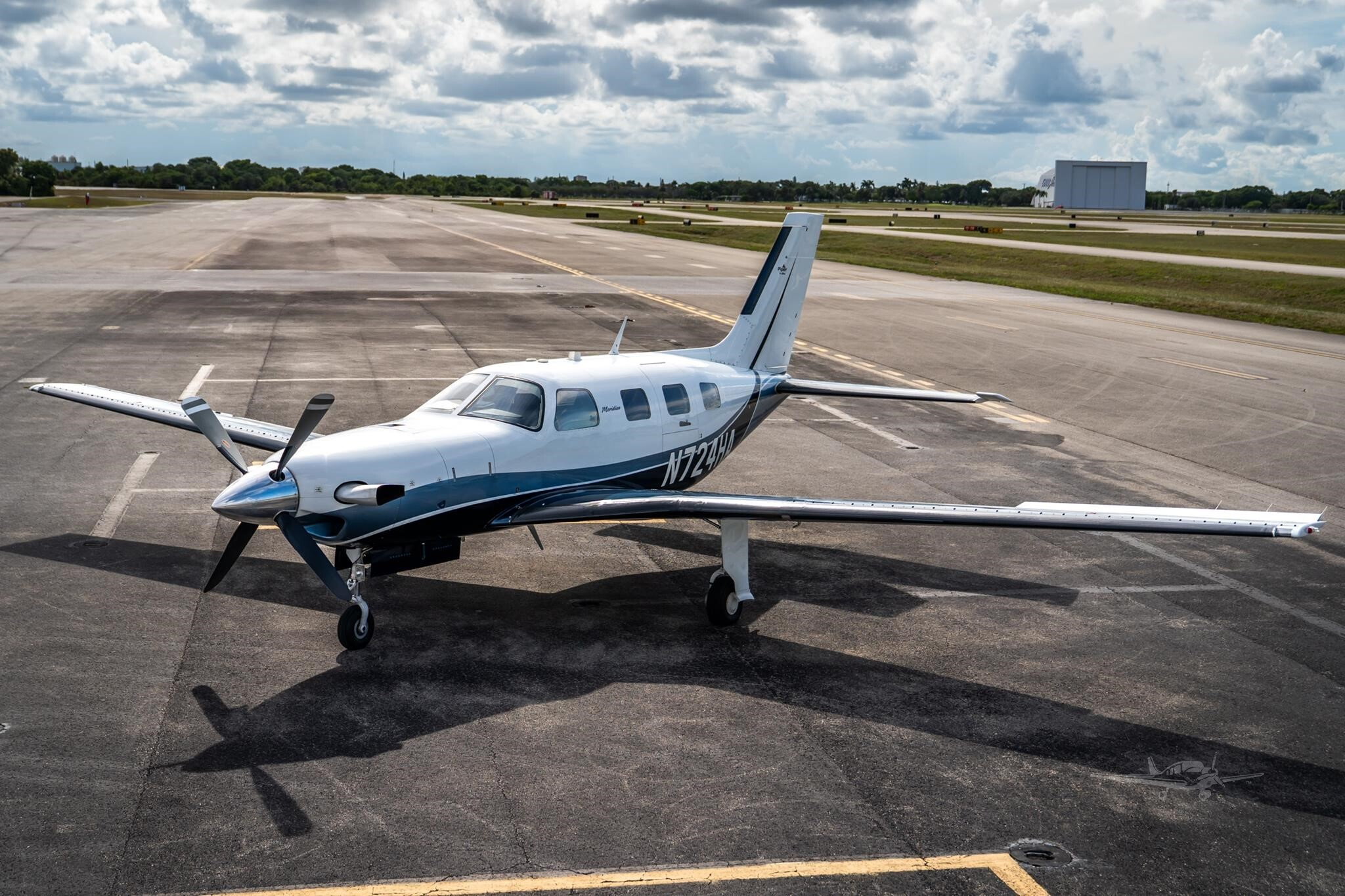
Specifications
Broker
Jet Aviation Brokers
John Carter
+1 (305) 555-0142
Aircraft Details
- Total airframe time: 2,536 hours
- Engine: Pratt & Whitney PT6A-42A, 1,599 hours since major overhaul (TBO 3,600 hours)
- Hartzell 4-blade propeller, 1,599 hours since overhaul
- Equipped with Avidyne Entegra EX5000 flight deck, dual Garmin GTN 650XI GPS/NAV/COM, Garmin transponder, WAAS/LPV capable
- S-TEC 3100 autopilot with yaw damper
- Pressurized cabin, flight into known icing (FIKI), vortex generators, pilot heated windshield, emergency oxygen system
- LED lighting, de-ice boots
- ADS-B, Terrain Awareness & Warning System, Traffic Collision Avoidance System, Freon air conditioning, heated windshield, weather radar
- Exterior: Star White, Silver Blue Metallic, Columbia Blue Pearl; exceptional condition
- Interior: 6-place executive configuration, beige leather seating, writing table, baggage compartment
- Next annual inspection due March 2027
- Based at KCRG, Jacksonville Beach, Florida
- Excellent ownership and maintenance history
About this Model
Overview
The Piper M500 is a pressurized, single-engine turboprop designed around personal and small-business transportation under IFR. It targets buyers who want turbine reliability and altitude capability without moving up to larger, higher-consumption turboprops. Typical use is 3–5 occupants with baggage, operating into a wide range of paved airports, including shorter runways than most light jets.
Mission Fit
The M500 fits missions where simplicity, turbine power, and pressurization matter more than maximum speed. It is well suited to point-to-point travel within a few hours, especially when weather or terrain make a pressurized platform valuable. Buyers who frequently fill all seats, carry bulky baggage, or want consistent long-range reserves at higher speeds may find larger turboprops or light jets more appropriate.
Cabin
Cabin experience is defined by a compact, pressurized environment with club-style seating typical of the Malibu/M-series lineage. Noise and vibration are generally higher than a jet but consistent with the category; headsets are commonly used in the front, and passenger comfort is most dependent on seat configuration, environmental system condition, and how heavily the aircraft is loaded. Access and baggage handling are straightforward for a single-pilot workflow.