

Specifications
Broker
Aircraft Details
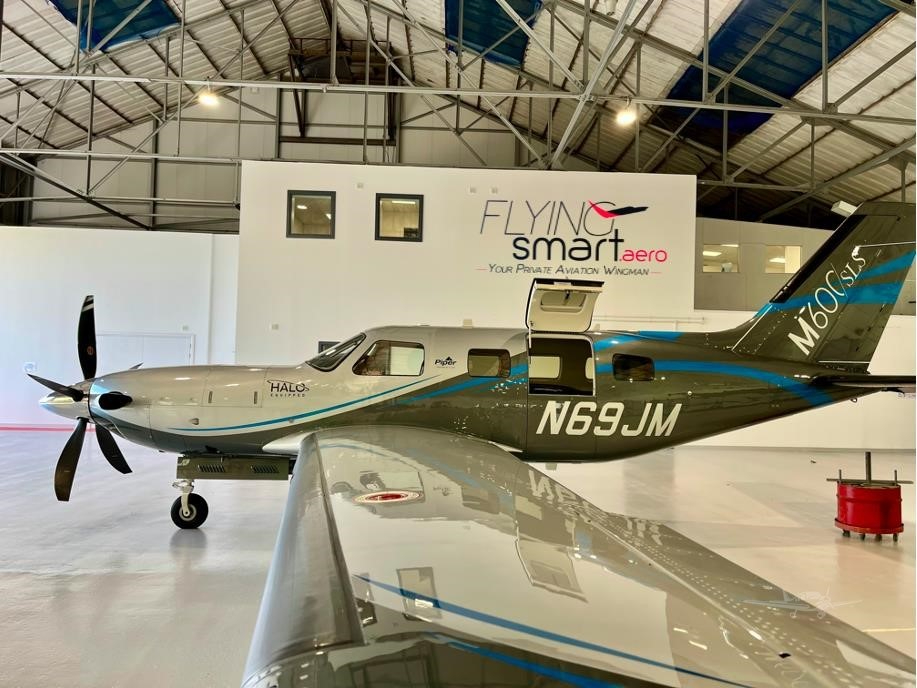
- Model: PIPER M600 SLS
- Condition: Used
- Flight Rules: IFR
- Limited warranties:
- Piper through May 2026
- Garmin through May 2026
- Hartzell through May 2026
- Pratt & Whitney through May 2028
- No damage history; original owner
- Engine: Pratt & Whitney PT6A-42
- Time since new: 380 hours
- TBO: 3600 hours
- Avionics: Garmin G3000 suite with GFC 700 autopilot
- Features:
- Dual 12” PFDs and single 12” MFD
- Synthetic vision, emergency descent mode, and auto throttle
- Dual Garmin GIA 64W NAV/COM/GPS
- Weather radar: Garmin GWX-75
- Additional Equipment:
- FIKI (Flight Into Known Icing)
- Hartzell 5-blade raptor composite prop
- Integrated digital cabin pressurization system
- Nose landing gear upgrade for unpaved runways
- Interior: Executive configuration with light gray seats and silver stitching
- Exterior: Immaculate condition, painted in 2021
- Inspection Status: Fresh annual as of August 2025
- Seating capacity: 6 passengers
About this Model
Overview
The Piper M600/SLS is a pressurized, single-engine turboprop positioned between high-end pistons and entry-level light jets for buyers prioritizing simplified operation, runway flexibility, and contemporary safety automation. The SLS (Safe Landing System) variant centers the aircraft around Garmin’s Autoland capability, pairing it with a high-integration avionics suite and a cabin sized for practical regional missions with family, colleagues, or a small team.
Mission Fit
In day-to-day use, the M600/SLS fits missions where a single pilot wants turbine reliability and speed without stepping into jet operating complexity. It is typically chosen for point-to-point regional travel, mixed weather flying with IFR avionics, and destinations where runway length and support infrastructure are limited. Mission planning should account for passenger count, fuel, and baggage tradeoffs common to single-engine turboprops.
Cabin
The cabin is arranged as a club-style configuration in a pressurized fuselage with an enclosed feel compared with unpressurized aircraft. Seating and storage are oriented toward practical travel rather than stand-up cabin movement, and comfort is strongly influenced by interior package, seat design, and noise/vibration management typical of turboprops. Access and loading are straightforward for small groups and normal travel baggage, with best comfort realized when passenger count is kept to a manageable level for the stage length.